Repairs on Bedminster's Victorian and Edwardian roofs
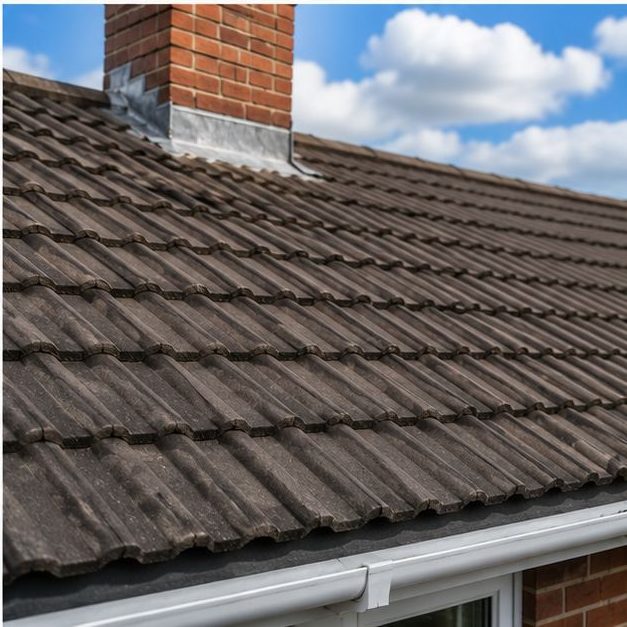
The older terraces here carry a lot of joints: party walls, chimney stacks, bay roofs and the lean-tos built onto the back. Each junction depends on lead or mortar, and those are the places that fail first. A repair on a bay top or beside a stack is a different job from patching a plain slope.
Rear extensions and lean-tos add valleys and abutments where old and newer roofs meet. Water finds these quickly, so we look at the wall-to-roof line at the back as carefully as the front slope you can see from the street. Rows of similar houses share their age and detailing, so a fault on one roof is a fair warning for the next.
A long row of similar houses means the same weaknesses repeat. If your neighbour has had a ridge re-bedded or a stack re-flashed, it is worth having yours looked at, because the age and the detailing are usually alike. Access down narrow rear routes is part of the planning here, and we sort it out before any work starts.
Roof repair jobs we handle in Bedminster
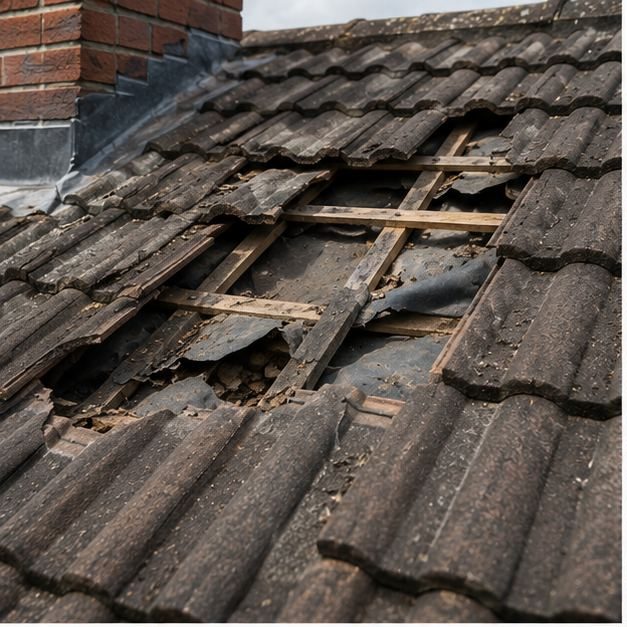
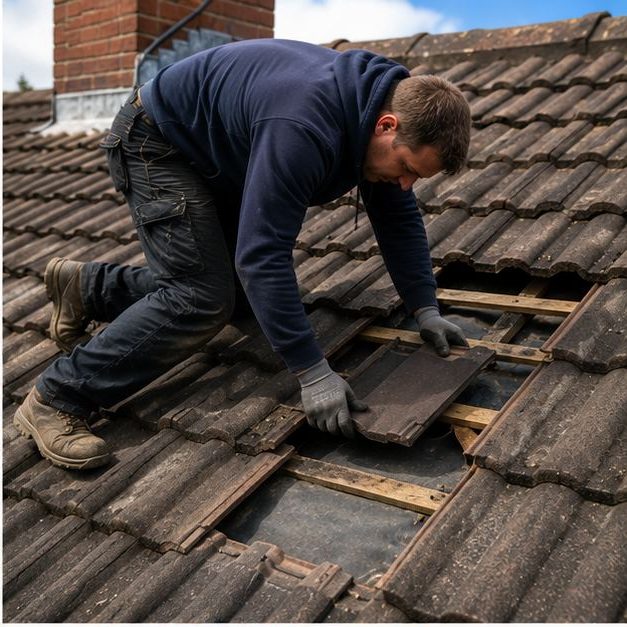
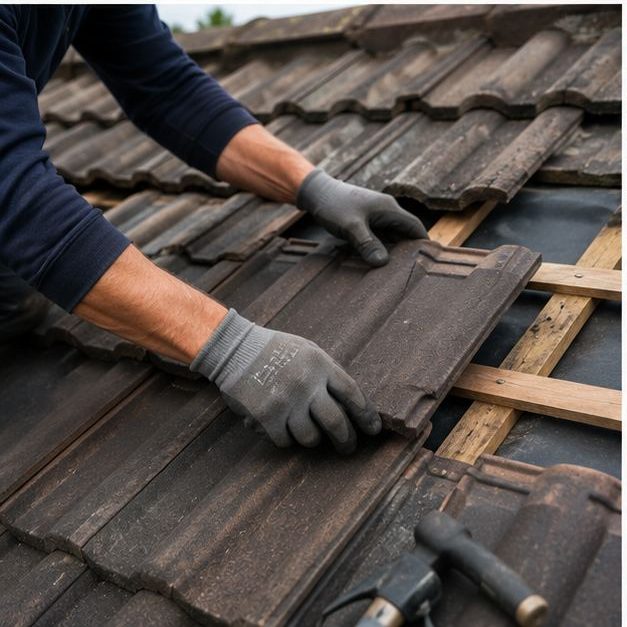
- Slipped and cracked tiles. Individual tiles that have slipped, cracked or gone missing are replaced and the surrounding courses checked, so one repair does not hide a wider fault.
- Broken and loose slates. Where the roof is slated, we re-fix loose slates and replace broken ones, matching size and colour as closely as the existing roof allows.
- Ridge and hip re-bedding. Cracked or loose ridge tiles are lifted and bedded again, which matters on long terrace ridges that take the weather along their whole length.
- Lead flashings and valleys. Failed flashing around stacks, bays and rear extensions is repaired or renewed, and valley gutters are cleared and checked for splits.
- Verge and gutter-edge repairs. Damaged roof edges at the gable and along the gutter line are made good so wind and rain cannot get under the first courses.
- Storm damage repairs. After high winds we secure and replace loosened coverings, and tell you whether the roof needs more than a patch.
How we work on Bedminster roofs
Rear access is tight on a number of these streets, so we plan how materials and ladders reach the back before we turn up. We look at the front, the back and any lean-to roof, and check the loft where we can see the underside of the leak. Tight rear access is the main practical question on these streets, so we deal with it first.
You get a clear explanation of what failed, what we propose and whether a repair is sensible or the roof is nearing replacement. If something is urgent we say so; if it can wait, we say that too. Some roof changes may need planning or Building Regulations checks — we advise before work starts.