Repairing Bishopston's Victorian and Edwardian roofs
Many roofs here have been altered over the years, with lofts converted and dormers added. Each dormer cheek, window surround and junction with the original slope is a place where water can creep in, so those details get checked before the open tiles do. Tall frontages, bays and dormers give these houses more junctions than a plain roof, and each one needs looking at.
Bay-fronted houses have small roofs of their own over the bay, tied into the main slope with lead. That lead is a regular culprit when a front room ceiling goes damp, and it can be difficult to see from the ground at all. Many lofts have been converted over the years, so the roof is often part original and part later alterations.
Tall terraces catch the wind along the ridge and the roof edge. Repairs here often start with ridge tiles that have loosened and gutter-edge tiles that have lifted, both of which are easier to deal with early than after a storm. Family homes here are lived in right up to the top floor, so a roof fault tends to show quickly inside.
Roof repair jobs in Bishopston
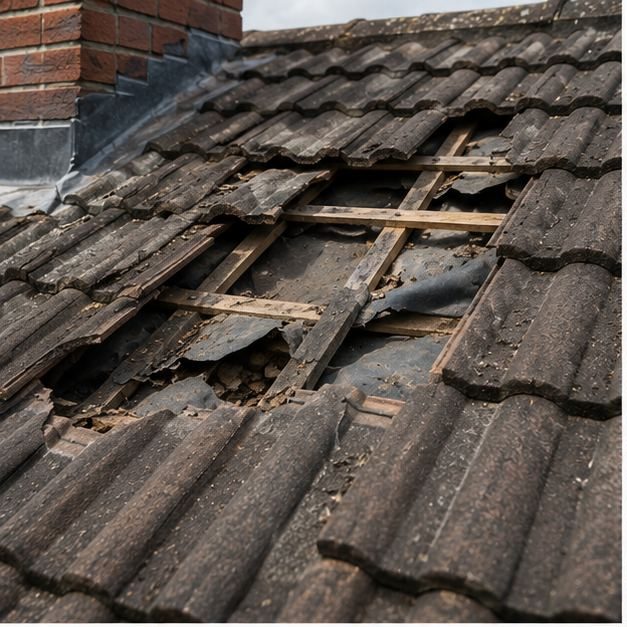
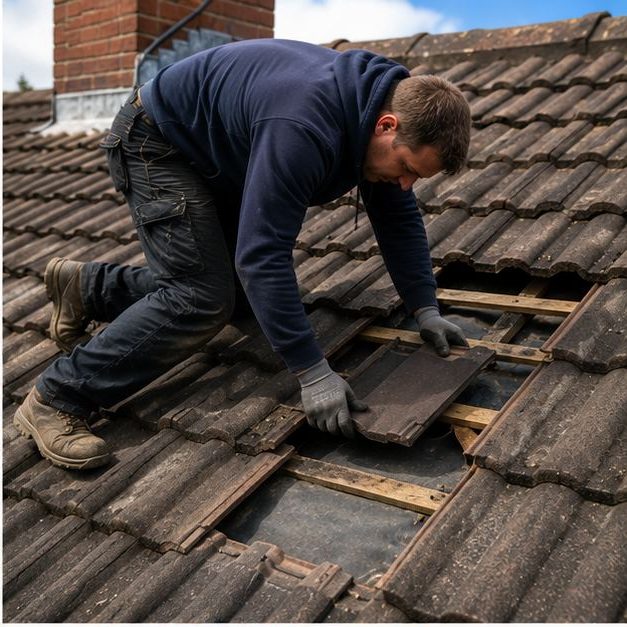
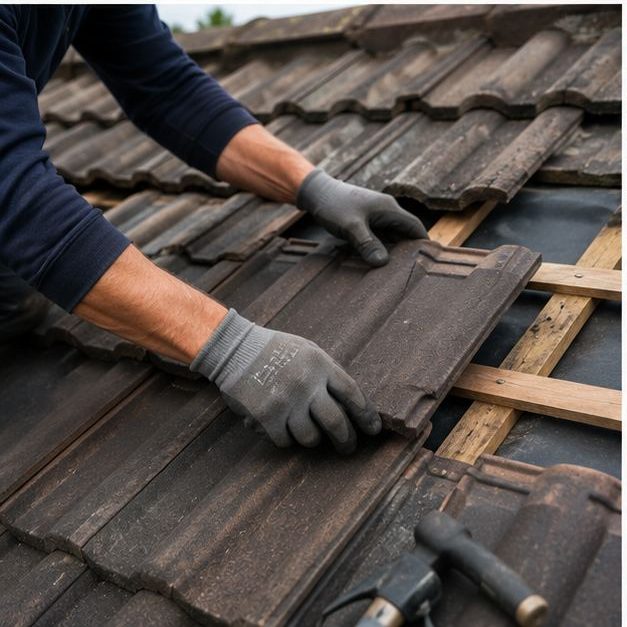
- Slipped, cracked or missing tiles. Damaged tiles on the main slopes and over bays are replaced, and the neighbouring courses checked so one repair does not hide another.
- Slate repairs. Loose or broken slates are re-fixed or replaced, with a view on whether the rest of the slope is sound enough to keep.
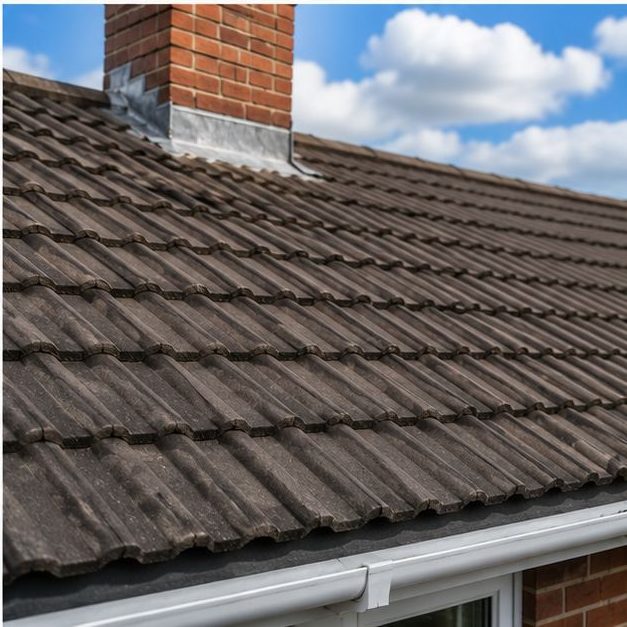
- Ridge and hip re-bedding. Ridges that have lifted or cracked along tall roof lines are re-bedded, so wind and rain cannot get in at the top.
- Dormer and bay lead work. Lead flashings and valleys around dormers and bay roofs are repaired or renewed where they have split, lifted or been poorly dressed.
- Verge and gutter-edge repairs. Damaged edges at the gable and above the gutters are made good, closing the gaps that wind-driven rain uses.
- Leak tracing and storm repairs. We follow water through felt and timber to its real entry point, and secure loose coverings after storms.
How we approach roof repairs in Bishopston
Height matters on these houses. We plan access carefully, often with scaffold or a tower where a ladder is not a sensible way to reach a dormer or the upper slope, and we look at the loft from inside for staining and daylight at the same time. Height is the main practical question here, so we plan proper access before anything else.
Afterwards you get a plain account of what we found, what is urgent and what can wait. If the roof is better replaced than patched we say so. Where the work involves a converted loft or dormer, some changes may need planning or Building Regulations checks — we advise before work starts.