Repairs on older and newer Chipping Sodbury roofs
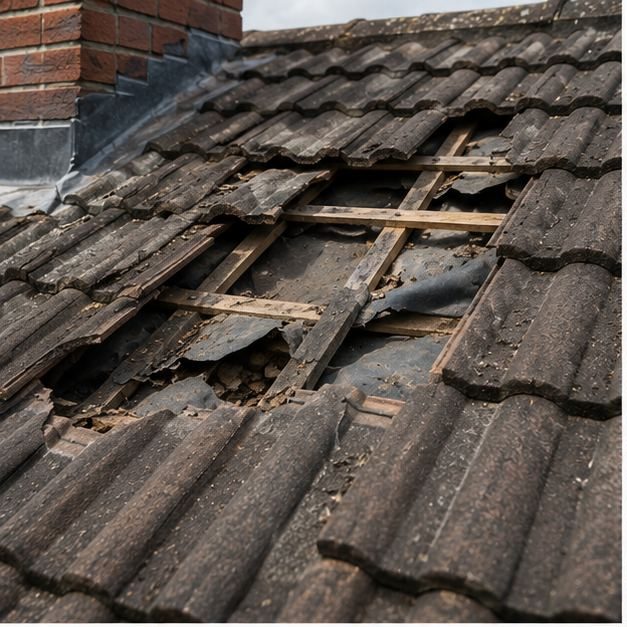
The older buildings along the main street often carry roofs that have been patched many times. Slates slip as their fixings tire, lead at chimneys and party walls wears thin, and old timbers behind the covering may be softer than they look. We check what is under the surface before choosing a repair. Each needs a careful, patient hand.
Weather on this Cotswold edge is exposed. Wind and driving rain find any weak point, so ridge tiles lift, hip lines open and verge edges loosen. After a rough spell, a roof that seemed sound can show several small failures at once, and it is better to deal with them together. Dealing with those together saves repeat visits.
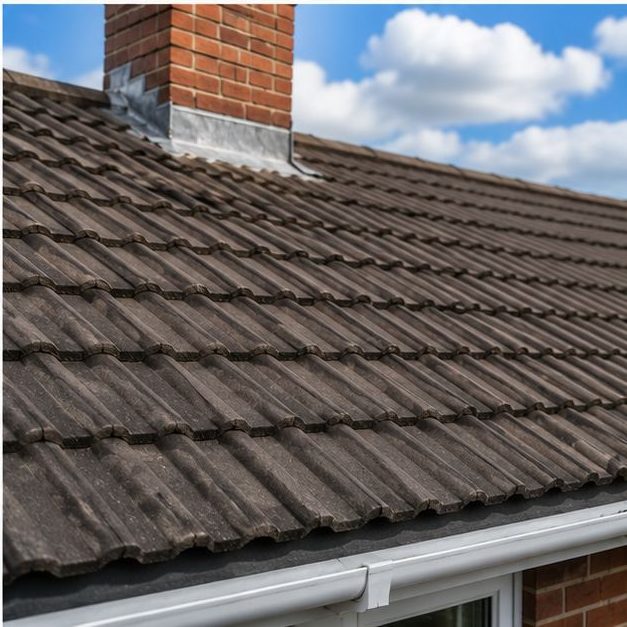
The newer estates around the town have a different pattern. Tiles are usually uniform and the roofs are younger, so faults tend to be isolated, such as a cracked tile, a worn flashing or a ridge that has started to move. These are often quick, modest repairs when caught early. Catching them early keeps a small repair small.
Repairs we carry out around Chipping Sodbury
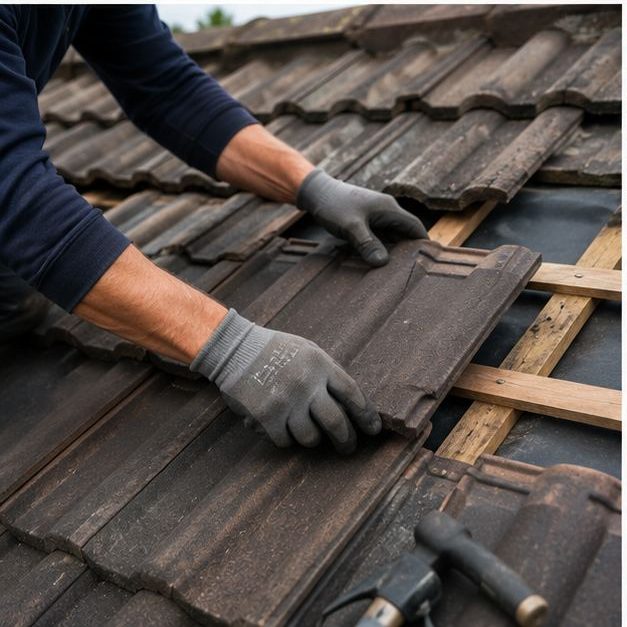
- Slipped and broken slates. Loose or cracked slates refixed or replaced with sympathetic matches, keeping the character of older roofs wherever the covering allows.
- Cracked and missing tiles. Single tiles and small patches replaced on newer roofs, with the felt and battens beneath checked for hidden damage.
- Ridge and hip repairs. Failed bedding re-done or the ridge fixed mechanically so exposed roof lines stay put through wind and rain.
- Lead flashings and valleys. Worn lead around chimneys, abutments and valleys repaired or replaced, since these joints cause many leaks.
- Verge and gutter-edge work. Loose edges secured against the wind that comes across open ground on this side of town.
- Repair or replace advice. A straight judgement on whether patching makes sense or a larger job is the better route for the roof.
How we handle a repair in Chipping Sodbury
Our first look is from the ground and the loft. We note slipped coverings, tired flashings and any daylight, staining or damp timber in the roof space. On older buildings we take extra time, because the structure and past repairs can tell us as much as the surface does. On a historic street, that groundwork matters before anything is lifted.
We then explain the findings in plain terms: what is urgent, what can wait, and whether a repair will last. If a few slates or tiles will cure the problem we say so, and if it needs more we explain why before you decide. You then decide with all the facts in front of you.