What we find on Lockleaze roofs
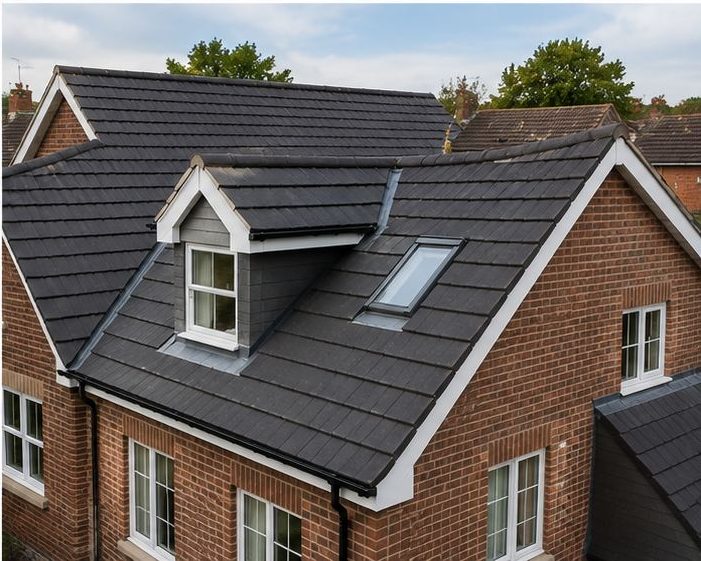
The main roofs are simple pitched shapes, so problems cluster at the edges and junctions: ridge, verges, party walls and the eaves. A slipped tile or a cracked mortar line at one of those points is the most common thing behind a damp patch. Looking at those spots first usually saves time, and it means we are not guessing from the pavement or relying on a stain alone.
Porches and garages add flat roofs that are small but fussy. Water sits on them, joins with the house wall open up, and the first anyone knows is a mark on a ceiling. Looking at both roof types together means the real cause is less likely to be missed. A flat roof that has gone unchecked for a few winters can ruin the ceiling below, so we like to see both at once.
Gutters and fascias get as much attention from us as the tiles. On long runs of terrace eaves a blocked or leaking gutter can soak the fascia and the wall for years, and sorting the drainage often stops a problem that looked like the roof. That is why we look at drainage as part of any roof visit, whether or not the gutters were why you called.
Roofing services in Lockleaze
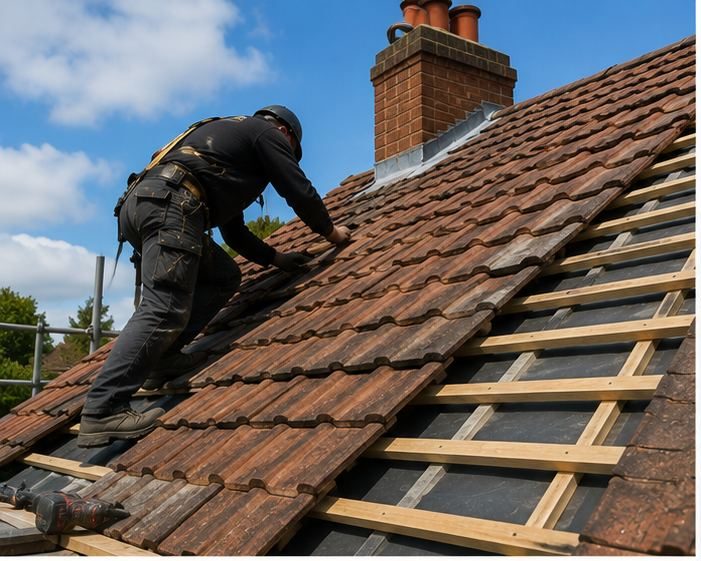
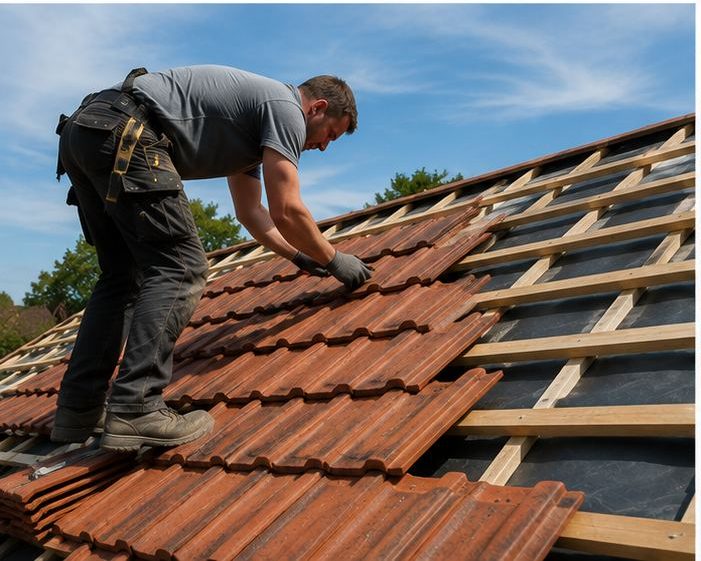
- Repairs and re-roofing. Fixing slipped tiles, worn felt and failed slopes, or stripping and re-roofing when the covering has reached its end.
- Flat roofs. Repairing or replacing porch, garage and extension roofs with attention to the deck, falls and wall junctions.
- Ridge and hip work. Re-bedding loose ridges and tidying hip ends on semi and terrace roofs so wind and rain cannot get in.
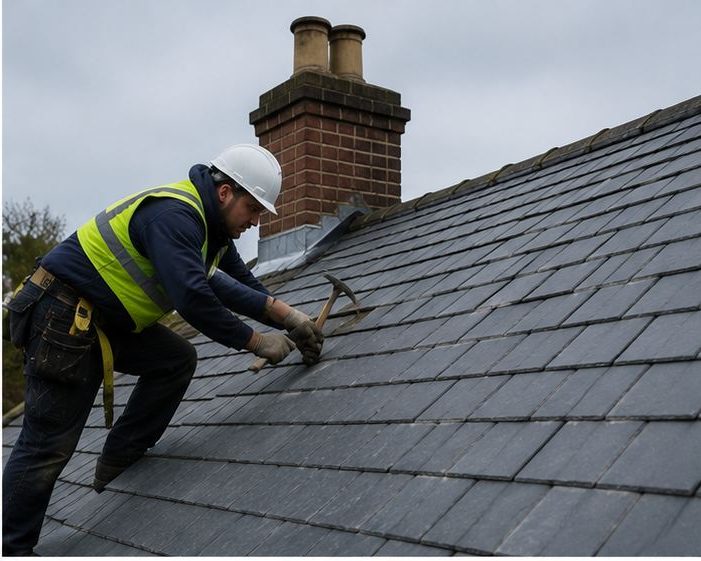
- Lead flashings and chimneys. Re-dressing lead flashings at chimneys and party walls, and checking the stack and pointing around them.
- Gutters, fascias and soffits. Repairing or replacing guttering and boards, including UPVC with vented soffits where the roof space needs air.
- Storm damage, moss removal and inspections. Checking after bad weather, removing moss carefully and inspecting the roof when you are unsure what is wrong.
How we work as your Lockleaze roofer
We listen first. What have you seen, where, and when did it start? Then we check the loft, gutters and roof, and explain what we have found in simple words. We separate faults that need attention soon from those that can be watched for a while. You can follow our findings step by step, ask anything, and take as long as you like before deciding what to do.
Where a specialist job such as a dry verge, a roof window or a flat roof replacement is the best answer, we do that as well. Larger works may need planning or Building Regulations checks, and we advise before work starts. You decide what goes ahead. We will also tell you plainly when a job is not worth doing, and what the sensible order of work would be.