Verges on Lockleaze's simple pitched roofs
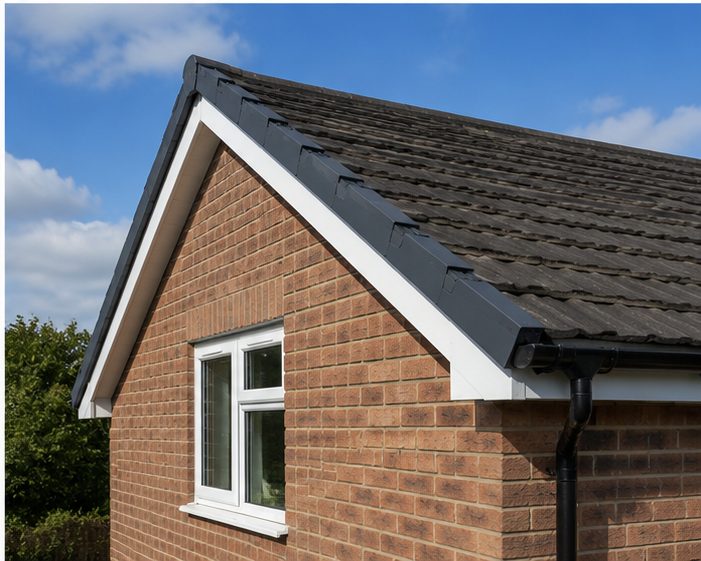
The roofs across these estates are plain gabled shapes, so a dry verge is straightforward: a clean run from eaves to ridge on each end. That simplicity makes it quick to assess, and it is easy to see where the original mortar has cracked and let go. It also means the cause of any trouble is usually visible from the ground, which helps us give you a clear view early.
The first sign is usually crumbs and lumps on a path, a side passage or a car beneath the gable. Once the mortar has gone, the tile ends are less secure and the edge lets in rain, wind and birds looking for a sheltered gap. Even a small gap at the verge is enough for water to get behind the tile ends over a wet winter.
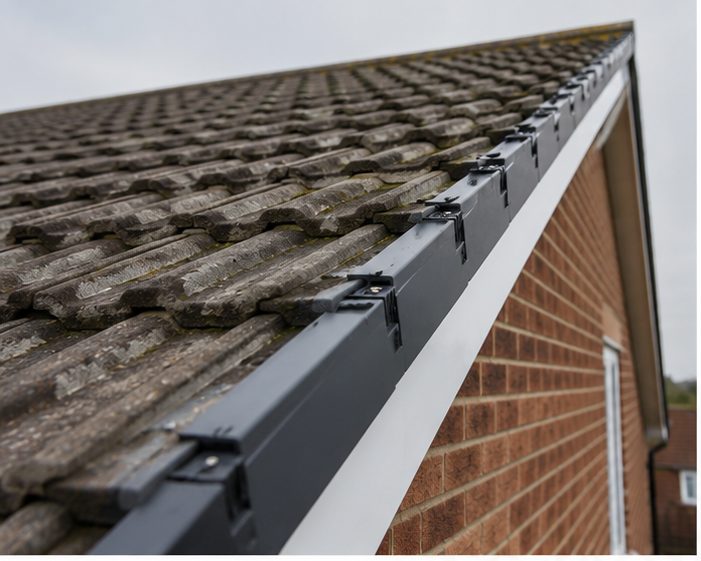
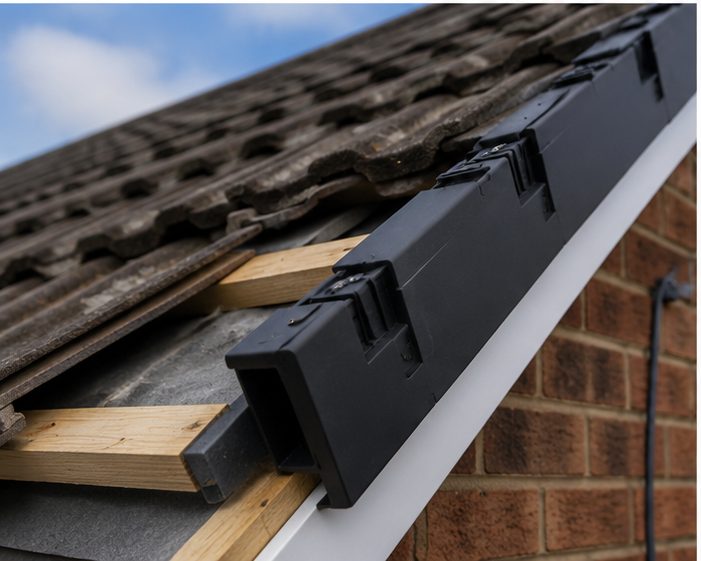
Because the verge sits at the very edge, it does the most work for the least attention. Fixed units hold the tile ends in place mechanically, so the edge no longer relies on a bed of mortar that has to survive every frost and shower. That is why we treat the verge as a proper repair and not a cosmetic touch-up on a roof otherwise left alone.
Dry verge work in Lockleaze
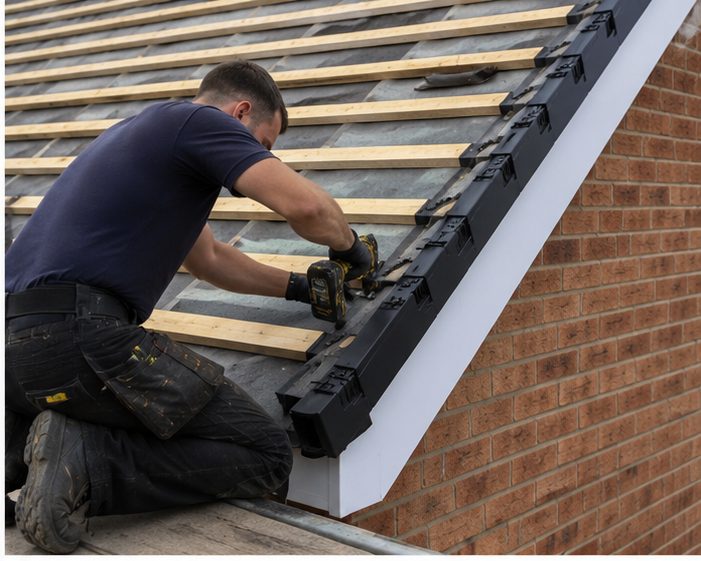
- Dry verge on new roofs. Fitting verge units from the start on a newly tiled roof, so the gable edge is finished without mortar.
- Replacing cracked mortar verges. Removing failed mortar from the gable edge of a sound roof and fitting fixed dry verge units in its place.
- Verge end and cap pieces. Supplying and fitting matching tile-end and cap pieces so the verge looks even along the full slope.
- Porch and garage gables. Dealing with verges on garage gables and porch roofs where mortar has gone and the edge is open to weather.
- Re-fixing loose verge tiles. Securing tile ends along the verge that have loosened, before they slip and let water into the roof.
- Profile compatibility check. Checking on site that the verge system suits your tile profile before anything is ordered or fixed.
How we fit dry verges in Lockleaze
We look at the verge from the ground first, then close up from our own access. Falling mortar, gaps and loose tile ends tell us how far the problem goes. We also check the tiles and felt near the edge, because a verge fault is sometimes linked to something else.
Dry verge units are fixed following the tile maker's guidance, and compatibility depends on the tile profile, which we confirm on site. The old mortar is cleared away before the new system goes on. Anything bigger may need planning or Building Regulations checks, and we advise before work starts.