
A roof window can transform a dim attic or loft room, but the amount of light depends on several things. This guide covers size, position, roof angle and what surrounds the window.
A roof window lets in light from above, which tends to be brighter than light through an ordinary wall window of the same size. That is why they suit loft rooms and dim top floors well. In Barton Hill, where many homes have terraced rooflines and neighbouring buildings close by, how much light you actually get depends on a few practical things.
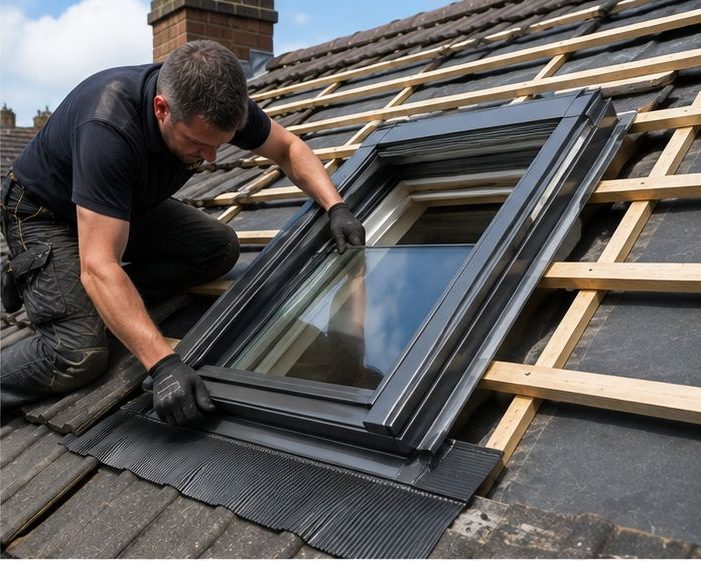
Size and number of windows
More glass generally means more light, but bigger is not always better. A single large window can overwhelm a small room, while two smaller ones can spread light more evenly. We discuss the room dimensions and what you use it for, then suggest sensible sizes rather than the biggest one that fits.
Position on the roof
Placing the window higher up the slope lets light travel further into the room. Placing it lower gives a view out but less depth of light. Orientation matters as well, since a south-facing slope gives bright sun while a north-facing one gives softer, steadier light.
Nearby buildings, trees and chimneys can cast shade, so we consider what surrounds the house, not just the roof itself. Nearby buildings, trees and chimneys can cast shade at certain times of day, so we consider what surrounds the house, not just the roof itself. A quick look at the street before we advise saves disappointment later.
Roof pitch and angle
A steeper roof tilts the glass towards the horizon and gives more of a view, while a shallow pitch faces more of the sky and lets in plenty of daylight. The pitch also affects how the window is fitted and flashed. We check the angle on site, because it influences which models and kits will work.
- Steeper pitch gives a better outlook
- Shallower pitch catches more sky
- Pitch decides which flashing kit is needed
- Position affects headroom and furniture layout
Glazing and finishing
The type of glass changes how much light and heat come through, and blinds let you control glare in summer. Pale splayed reveals inside bounce light around the room, whereas dark, deep linings absorb it. These finishing details can make a noticeable difference to how bright the space feels.
Getting the best result
Think about how the room will be used, where the furniture goes and when you will be in it. We take your room, roof and surroundings into account and suggest windows to suit. VELUX and similar roof windows give plenty of options, and we explain the trade-offs honestly rather than pushing the largest size.
A quick sketch of the room, with furniture marked, helps us place the window where the light is most useful. We can then explain the structural work involved, so the result looks right, works from the first day and fits within what the roof structure can take.
Frequently Asked Questions
Is a roof window brighter than a wall window?
Often yes, since light comes from above. A roof window can bring noticeably more daylight into a room than a wall window of similar size, particularly where neighbouring buildings limit side light. This is part of why roof windows suit loft rooms and dim landings so well.
Can a roof window make a room too hot?
It can in strong sun, which is why orientation and blinds matter. Choosing glazing and fitting suitable blinds helps control heat and glare. We cover this when discussing size and position. Pale reveals inside the room help reflect light and keep the glare down.
How many windows does a loft room need?
It depends on the size and use of the room. One may do for a small space, but larger rooms often benefit from two to spread light evenly. We look at the room and advise sensibly.
Talk to our team about VELUX and roof window installation in Barton Hill
Every roof is different — the fastest way to get an accurate answer is a quick chat with our team.