
A dry verge seals the roof edge with fixed units rather than mortar, so there are no crumbling gaps for birds, wasps or weather to use. It is a closing-up job as much as a wind one.
At the gable end of a house, the verge is where the tiles meet the wall. Mortar there cracks and drops out over time, leaving small gaps. On Yate's gable-ended estate houses and garages, those gaps are exactly what birds and insects look for. A dry verge removes the mortar and the opening.
What a wet verge leaves open
Mortar shrinks, cracks and eventually loosens, especially at the exposed edge. Pieces fall onto paths and drives, which is often the first sign. The cracks and voids behind then give nesting birds, bees, wasps and other insects a sheltered way into the roof edge, where they can set up out of sight. A wasp or bee can slip through a gap smaller than most people expect, so a tight edge makes a real difference.
How a dry verge closes it up
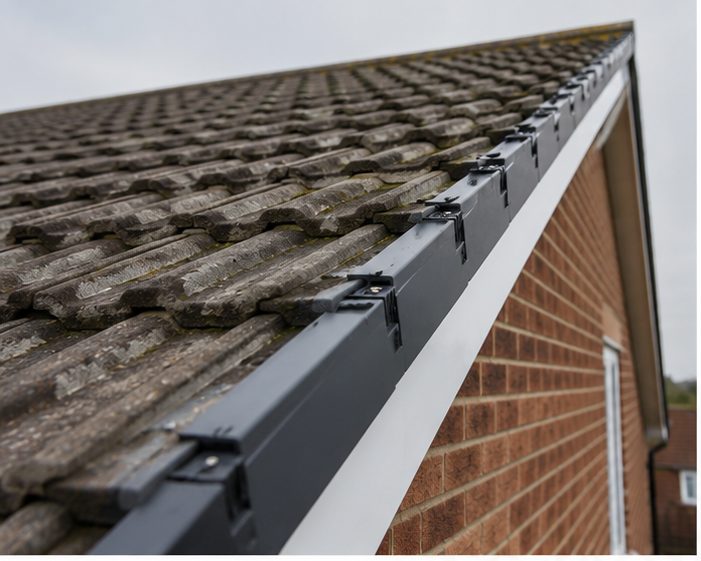
Instead of mortar, the edge is finished with mechanically fixed verge units and tile-end or cap pieces made to fit the tile profile. They sit snugly against the roof covering and the wall, leaving no open joint. Fixings follow the tile maker's guidance, so the edge is held down as well as closed.
What changes for wildlife
Birds and insects lose the hidden hollows they used and will look elsewhere, usually in other parts of the property, so it is worth checking the eaves and soffits as well. If something is already nesting, the work must be planned so as not to harm protected species, and we would discuss that with you before starting.
- No loose mortar for birds to pick at.
- No hollows behind the edge tiles for nests.
- Fewer gaps for wasps to explore.
- Less weather getting under the verge tiles.
- A cleaner, tighter edge line.
Not a fix for everything
A dry verge deals with the edge only. If birds or insects are getting in at the eaves, a damaged soffit or a gap at a ridge, they will carry on there. When we look, we check the whole roof line and tell you where the other gaps are, so you are not relying on one part to do everything. If you are seeing activity at the gable, tell us on the call so we can check what is there before work begins.
Checking it suits your roof
Compatibility depends on the tile profile, which we check on site. Short verges and small gables, as on many Yate houses and garages, are usually quick to deal with. We explain what the edge will look like before starting, and the work may need planning or Building Regulations checks, which we advise on beforehand. We also check that the verge units and caps are fixed correctly, since loose parts would simply create new gaps.
Frequently Asked Questions
Will a dry verge stop wasps nesting at the edge?
It removes the hollow behind loose mortar, so the edge is a much poorer place to nest. Wasps may still find other gaps elsewhere, so we check the rest of the roof line too.
What if birds are already nesting there?
We would stop and talk to you before disturbing an active nest. Timing the work around nesting is better for the birds and avoids problems later, and we can plan the job around that season. That also protects any birds that are using it.
Do the units look different from mortar?
The finish is tidy and uniform, in colours chosen to suit the tiles. Many people find it neater than aged, patched mortar, with no staining or crumbling lines along the gable. Colours are matched to the roof.
Talk to our team about dry verge systems in Yate
Every roof is different — the fastest way to get an accurate answer is a quick chat with our team.