
A dry verge removes the wet mortar from the roof edge, but it is not right for every roof. Here is what to check before you agree to one.
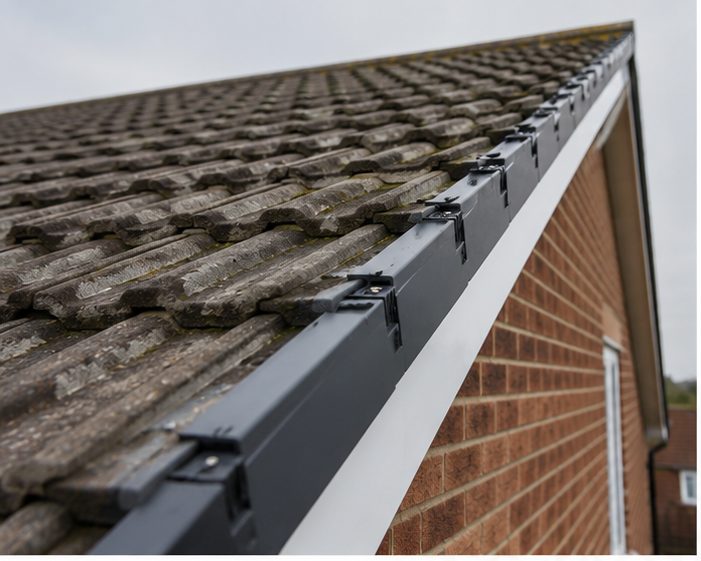
The verge is the edge of the roof at a gable. Traditionally it is finished in mortar, which cracks and drops out over time. A dry verge replaces that mortar with fixed units. In Henbury, where roof types range from older cottages to estate houses, the first job is to make sure the system suits the roof in front of us.
Does the tile profile suit a dry verge?
Verge units are made for particular tile shapes, so compatibility depends on the profile of the tiles on your roof. We check this on site, not from a photograph. If the match is poor, forcing a system on to the wrong tile leaves gaps at the very edge you are trying to protect.
Is the rest of the roof in decent shape?
A dry verge is not a cure for a roof failing elsewhere. If the tiles are slipping across the slope or the felt has gone, finishing the edge neatly just hides the real problem. We look at the whole roof first, then tell you whether the verge is the right place to spend. If it does not, we will say so.
- Tiles firm across the whole slope
- Battens sound where the verge units will fix
- No daylight or damp showing from the loft
What is wrong with the existing edge?
Falling mortar on paths and drives is often the first sign, but we also check whether the verge tiles themselves have loosened, whether the barge or edge boards behind are sound and whether wind has been lifting the end tiles. The fault tells us how much needs to come off. Older cottages and estate houses can differ here, so we judge each gable separately.
How the units are fixed
Good installers fix the units mechanically, following the tile maker's guidance, with no wet mortar relied upon. Ask how the units will be secured, how the tile ends will be held and what happens at the ridge. This is where careful work shows, and a roofer should explain it without hurrying. If anyone cannot explain these points, ask again before agreeing to start.
- Mechanical fixings, not mortar alone
- Tile-end or cap pieces that match the profile
- Clean junction at the ridge
- Weather and birds kept out of the roof edge
What to ask and expect
Ask for a written description of the work, what will be removed, how access will be arranged and how the site will be left. A new dry verge on a re-roof or repair may need planning or Building Regulations checks — we advise before work starts.
Frequently Asked Questions
Can a dry verge be added to an existing roof?
Often yes, where the mortar has failed and the tile profile has a matching unit. We check the profile, the edge timbers and the tiles first, because a repair to the verge only works if what it fixes to is sound.
Does a dry verge need no maintenance at all?
It removes the mortar that cracks and falls out, which is the usual maintenance trouble. The roof as a whole still deserves an occasional look from the ground, as does every roof. The roof as a whole still deserves a look from the ground now and then.
Will a dry verge keep birds and insects out?
The units and end pieces close off the gap at the edge of the roof, so weather, birds and insects have a much harder time getting in than with failed mortar. They must be fitted properly to do that.
Talk to our team about dry verge systems in Henbury
Every roof is different — the fastest way to get an accurate answer is a quick chat with our team.