
A dry verge is a sound way to finish a gable edge, but it only works when the roof around it is ready for it. These are the checks worth making first in Old Market.
The verge is the edge of the roof where it meets a gable wall, and on end-of-terrace and mixed-use buildings in Old Market it takes a lot of weather. A dry verge replaces wet mortar with fixed units, but the choice should follow a proper look at what is already there.
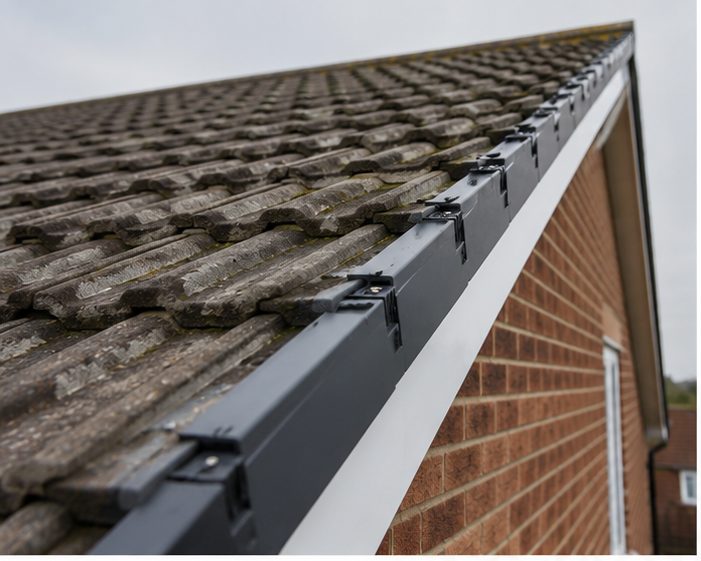
The tiles you already have
Dry verge units are made to suit particular tile profiles, so compatibility comes first. Older and mixed roofs are often a patchwork of replacements, which makes matching harder. We confirm the profile on site, because a unit that nearly fits is a unit that will not sit or seal properly along the edge.
Tiles that have been replaced piecemeal over the decades can differ slightly from each other, even on the same slope. We look along the whole edge, not just one spot, so the units chosen suit the run as a whole and the finished verge sits evenly.
The state of the gable edge
Before anything is fixed, we look at the wall top, the barge area and the verge timber or undercloak beneath. If mortar has crumbled, water may have been soaking the courses below for some time. A new dry verge on a damp, crumbling edge only hides the problem, so any repair there comes first.
The roof behind the verge
A dry verge is not a cure for a roof that is failing elsewhere. If the battens are soft, the felt is torn or tiles are sliding further in, the edge will not stay sound for long. We assess the whole slope, then tell you plainly whether the verge is the right place to start.
Access and working conditions
Central streets bring tight pavements, shared boundaries and limited space for materials. Gable edges on taller buildings need proper access arranged by us, and we plan deliveries and clearing up around neighbours. Good preparation matters, since fixing the edge correctly depends on being able to work at it safely and calmly.
- Is the tile profile confirmed on site, not assumed?
- Will fixings follow the tile maker's guidance?
- Is the gable wall top sound enough to carry the work?
- How will access be arranged and the pavement protected?
What a good answer sounds like
Ask the roofer to explain what is being removed, what is being fixed and why. You should hear about the verge units, the end pieces and how the edge will be held against wind. Falling mortar on paths or in gutters is often the first sign that the edge needs attention.
We would also expect you to be told what the edge will look like when finished, and how the work will be left tidy, with old mortar cleared from paths, gutters and the pavement rather than left behind for you or a neighbour to deal with.
Frequently Asked Questions
Will any tile take a dry verge?
Not automatically. The units have to suit the tile profile, and older or mixed roofs can complicate that. We check compatibility on site before recommending the system, and tell you if something else would suit the edge better.
Can a dry verge stop my roof leaking?
Only if the leak comes from the verge. It protects the edge by removing mortar that can crack and fall away, but it does not fix problems elsewhere in the covering, so we look at the whole roof first.
Is there any paperwork involved?
Verge work is normally straightforward, but a larger re-roof may need planning or Building Regulations checks, and we advise before work starts. We will tell you if anything applies to your building and explain it plainly.
Talk to our team about dry verge systems in Old Market
Every roof is different — the fastest way to get an accurate answer is a quick chat with our team.