
A dry verge is a good upgrade, but only when the roof underneath suits it. Here are the checks we make and the questions worth asking before you agree to one.
Houses in Shirehampton sit open to the westerly wind, and gable edges take the brunt. That makes dry verges attractive, since there is no mortar to crack and fall out. But a dry verge is not a universal answer. It has to suit the tiles and the condition of the roof, and a few simple checks come first.
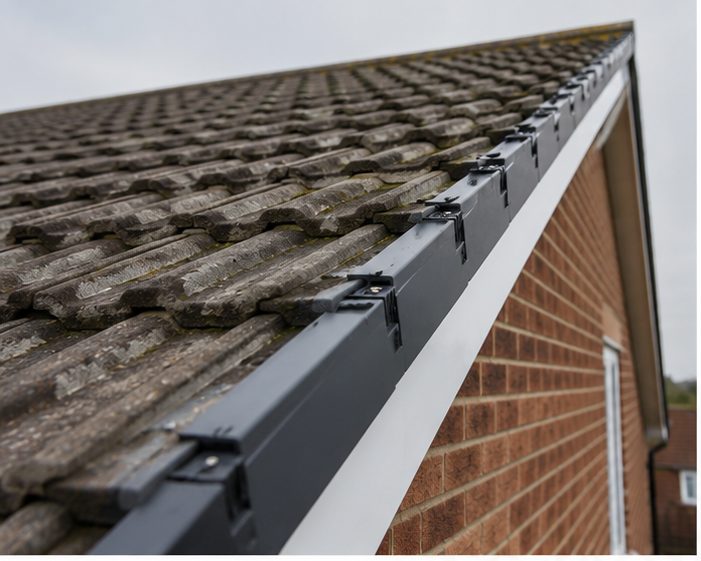
Does it suit your tiles
Verge units are made for particular tile profiles, so compatibility is the first question. Some roofs take a standard system easily; others, especially older or unusual tiles, need careful matching or a different approach. We confirm this on site by looking at the tile, rather than relying on a photograph or a guess.
If the profile is not suitable, we will say so and explain what the alternatives are, instead of forcing a system onto a roof it does not fit. A verge that is the wrong match will look poor and perform worse than the mortar it replaced.
Is the rest of the roof sound
A dry verge fixes the edge, not the roof. If tiles elsewhere are failing, battens are tired or felt has perished, new verge units will not cure it. We look at the whole roof and tell you honestly whether the verge work should go ahead now or alongside other repairs.
- Tiles firm and not crumbling at the edge
- Battens and felt in reasonable condition
- No active leaks elsewhere on the slope
- Gable wall and barge area in good order
How exposed the gable is
Wind pressure at a gable edge is higher than on the main slope, so fixings matter. Mechanically fixed units resist uplift better than mortar, which suits a house taking westerly weather. We follow the tile maker's guidance for fixing, and the exposed side of your house shapes how we approach the detail.
What is happening now
Check your drive or path for mortar crumbs, which are often the first sign the existing verge is failing. Look from the ground for cracks, gaps or tiles that look lifted along the gable. If birds or insects are getting in at the edge, that also points to a verge that needs attention.
Questions to ask a roofer
Ask how the system suits your tile profile and how it will be fixed. Ask what happens to the old mortar, what will be done about the bargeboard or edge below, and whether anything else on the roof needs attention first. A new roof edge may need planning or Building Regulations checks — we advise before work starts.
Also ask who will be on site and how access will be arranged, and expect the site to be left tidy, with old mortar cleared from paths, drives and gutters. A roofer should be able to explain each step of the work in ordinary language before it begins.
Frequently Asked Questions
Can a dry verge fit any roof?
Not always. The units are matched to particular tile profiles, so older or unusual tiles may need a different solution. We check compatibility on site by looking at the tile and the edge itself, and we tell you plainly if a dry verge is not the right fit for your roof.
Will a dry verge stop my roof leaking?
Only if the leak comes from the verge itself. It will not cure tiles, flashings or felt that are failing elsewhere on the roof. That is why we look at the whole roof first, so you know whether the verge is the real cause or only one of several faults to deal with.
Is a dry verge hard to look after?
No. With no wet mortar there is nothing to crack and fall, so little needs doing beyond keeping the area clear and glancing at the gable edge from the ground after severe weather. If anything looks loose, call us for a proper look.
Talk to our team about dry verge systems in Shirehampton
Every roof is different — the fastest way to get an accurate answer is a quick chat with our team.