
Crumbs of mortar on a path or porch roof are the first sign of a failing verge. Here is why it keeps happening at Lockleaze's gable ends, and what a lasting repair looks like.
If you keep sweeping little pieces of mortar off the drive or the porch roof, the verge above is telling you something. On the semis and end terraces of Lockleaze, the verge is the exposed edge where the roof stops at the gable. It takes a pounding, and wet mortar does not cope well. Here is why.
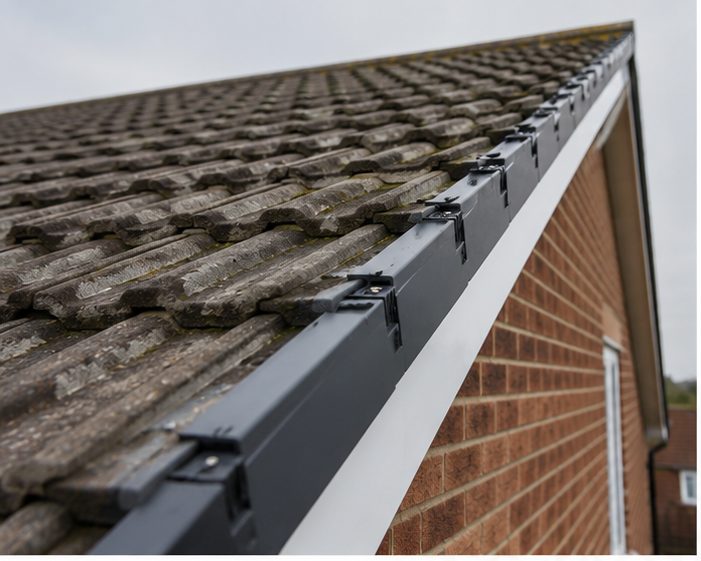
What the verge does
The verge is the edge of the roof along a gable, where the tiles end and the wall begins. Traditionally the gap is filled with mortar to hold the end tiles and keep wind and rain from getting underneath. It is a small strip of mortar doing a demanding job, holding firm in all weathers on the most exposed part of the roof. A strong, well-bedded verge should stay put through many seasons of weather.
Why mortar cracks and drops
Mortar is rigid, but roofs move a little with temperature, damp and wind. Over many seasons hairline cracks open, water gets in, and frost or weather pushes the pieces loose. Once a section falls, the next piece lacks support and follows.
Re-pointing the mortar often just repeats the cycle, because the same material is being asked to do the same impossible job. A more lasting fix tackles the cause, which is why we look at the end tiles and battens, and not only the mortar.
What to look for from the ground
You do not need to go up. Look along the gable edge from the garden or pavement for gaps, dark lines, or a bulge where mortar has pulled from the tile ends. Check the path below for fresh crumbs. If a tile at the very end of a row looks loose or has dropped, the verge needs attention soon.
- Pieces of mortar on the drive, path or porch roof
- Gaps between the end tiles and the wall
- Staining or green growth along the gable edge
- End tiles looking tilted or out of line
Why a dry verge is the usual answer
A dry verge replaces the wet mortar with mechanically fixed verge units and tile-end pieces that hold the edge down without mortar to crack. That gives better resistance to wind at the edge, keeps weather, birds and insects out, and leaves nothing to fall onto the path. It is fixed to the tile maker's guidance and suits repairs where mortar has failed.
What we check first
A dry verge is not a cure for a roof failing elsewhere, and compatibility depends on the tile profile, which we check on site. We look at the end tiles, the battens beneath and the wall edge before recommending anything. If the problem is wider than the verge, we say so, rather than fitting new units onto a tired roof.
Frequently Asked Questions
Can I re-point the verge myself?
No. It means working at height at the roof edge, which is unsafe. Mortar repairs are also likely to fail again. Keep clear of the area below, and call us for a proper look.
Is falling mortar dangerous?
Pieces can drop onto paths, porch roofs or people, so keep the area clear until it is sorted. It also means the end tiles have lost their hold, which is a risk in strong wind.
Will a dry verge suit my roof?
Often yes, but it depends on the tile profile. We check this on site before recommending it, and we also look at the rest of the roof so you know whether the verge is the only problem.
Talk to our team about dry verge systems in Lockleaze
Every roof is different — the fastest way to get an accurate answer is a quick chat with our team.