Where dry verge suits Cotham roofs
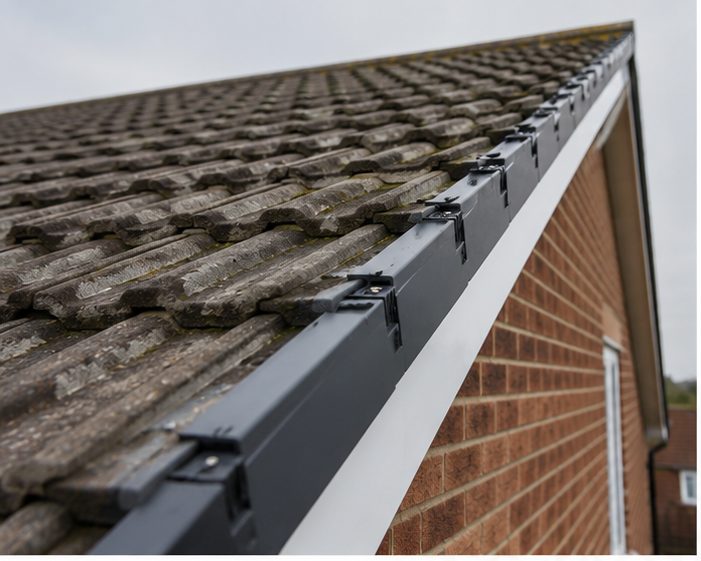
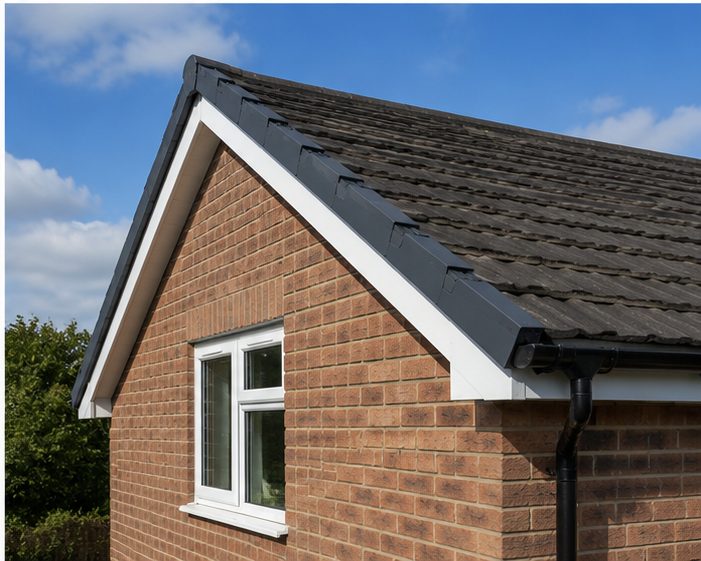
Cotham's Victorian villas and tall terraces often have gable ends and party-wall details that run up high, so a verge here is exposed to wind coming over the roofline. A mechanically fixed edge is a sensible answer where mortar keeps coming away. We would rather fix the edge once than keep returning to patch it.
Not every roof here suits it. Compatibility depends on the tile or slate profile, and many older Cotham roofs have been repaired in patches over the decades. We check the covering on site before saying a dry verge will fit, rather than assuming. Where it will not suit, we explain the alternative and the reasons.
A dry verge fixes the edge, not the whole roof. If flashings, stacks or a parapet gutter are failing elsewhere, we say so and deal with those separately. We would rather tell you what else is wrong than fit a neat edge to a leaking roof. That honesty is part of the job, and it saves you paying for the wrong thing.
Dry verge work we do in Cotham
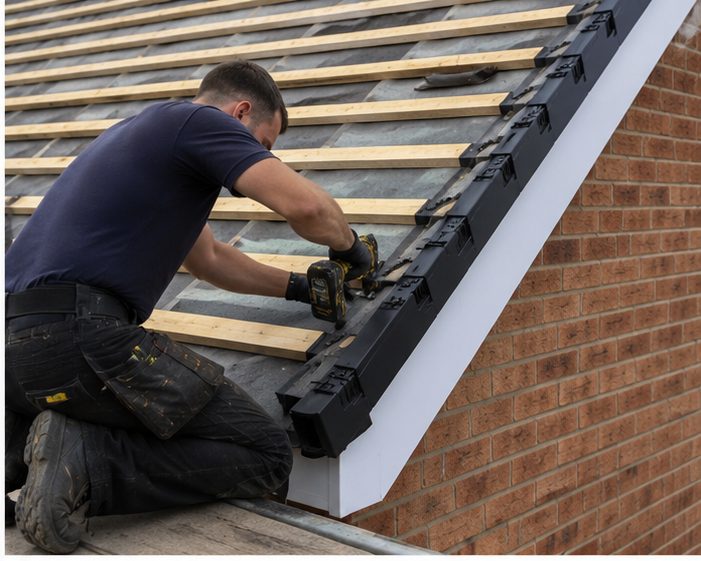
- Dry verge on re-roofs. Fitting mechanically fixed verge units as part of a new covering, so the finished roof has no wet mortar along its gable edges.
- Replacing failed mortar verges. Removing cracked and crumbling mortar from existing gable edges and fitting a dry verge in its place.
- Verge repairs after storms. Putting right verge units and edge tiles loosened by wind, and refixing the gable edge so it holds.
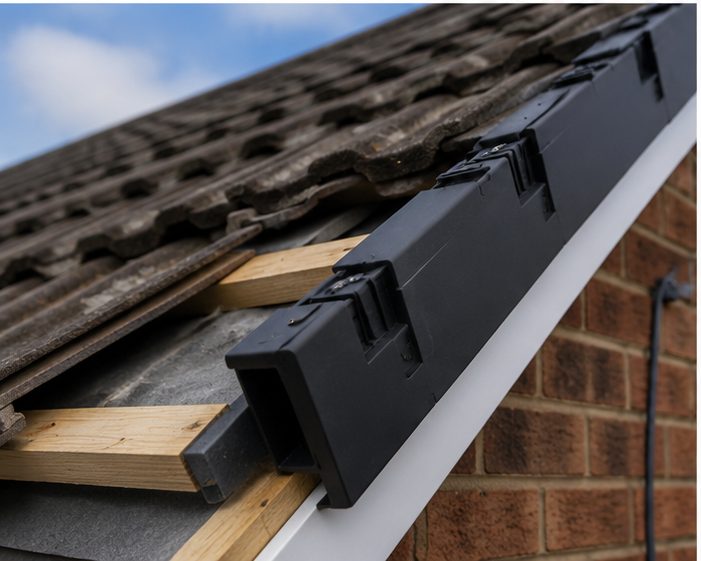
- Tile-end and cap pieces. Supplying and fitting the matching end pieces that finish each course neatly at the edge of the roof.
- Checking compatibility on site. Looking at the existing tile profile to confirm a dry verge will work before we commit to the system.
- Verge and flashing together. Dealing with the verge and any lead flashing at the gable wall at the same visit, so the whole edge is sound.
How we assess a dry verge in Cotham
We start from the ground. Mortar on paths, drives or window sills is a typical first clue, so we check where it has fallen from and look along the gable edge. Then we examine the roof edge itself and the tile profile to see whether a dry verge system can fit.
We fix the units to the manufacturer's guidance for the tile in question and explain what we have found beforehand. Gable ends on tall houses usually need scaffold, so we plan access first. Some work may need planning or Building Regulations checks, and we advise before work starts.