Dry Verge Roof Edges for Downend Gables — Brunel Roofing Bristol

Dry Verge Roof Edges for Downend Gables

Brunel Roofing Bristol fits dry verge systems to Downend houses where mortar along the gable edge is cracking or falling, using fixed verge units that need no wet bedding.

✓ Fully Insured
✓ 15-Year Guarantee
✓ 24-Hour Emergency Call-Out
✓ Free Quotes & Advice
★ Fully Insured & 15-Year Guarantee
★ 24-Hour Emergency Call-Out
★ Local Bristol Roofers
★ Free Quotes & Advice
Roofing Services · Downend

Dry Verge Systems for Downend Properties

The verge is where the roof meets the gable wall, and on most older houses it is finished in mortar. That mortar cracks as it ages, then drops onto paths, drives and doorsteps. Many Downend homeowners first notice the problem as bits of mortar on the ground. It is worth dealing with early, before the edge opens up further.

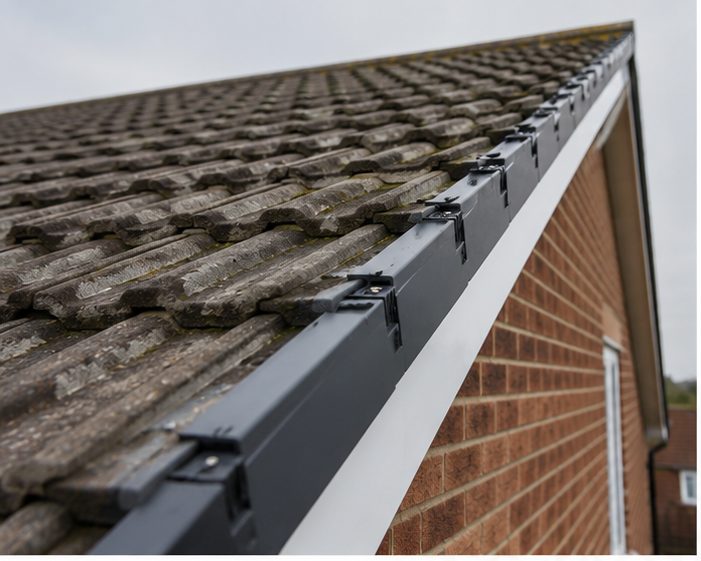
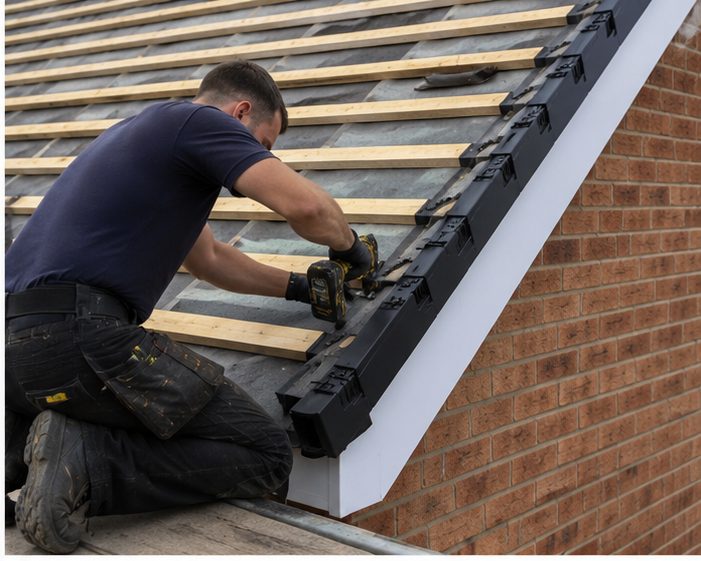
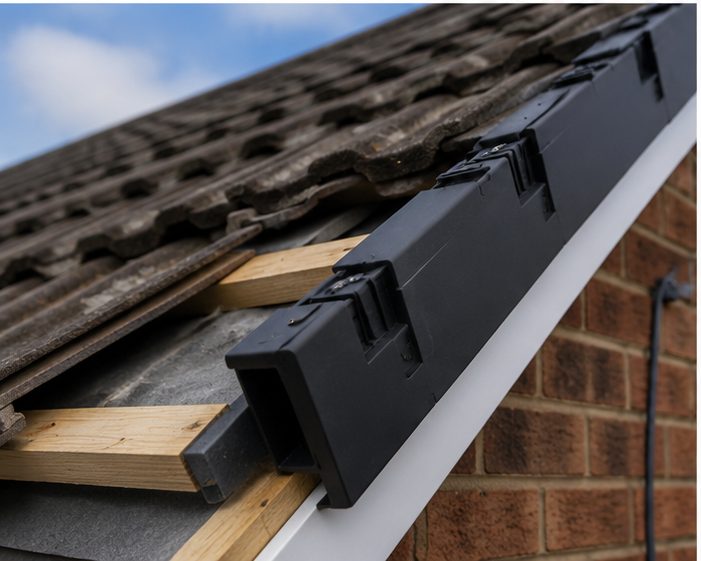
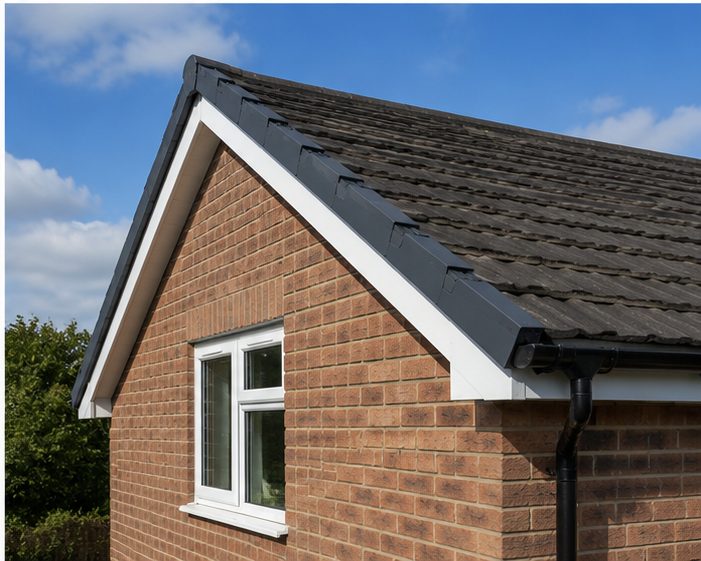
A dry verge replaces the mortar with mechanically fixed verge units and tile-end or cap pieces. There is no wet bedding to fail, wind has less chance of lifting the edge, and weather, birds and insects find it harder to get in. It suits new roofs, re-roofs and repairs where the old mortar has simply failed.

Dry Verge Systems in Downend by Brunel Roofing BristolDry Verge Systems in Downend by Brunel Roofing BristolDry Verge Systems in Downend by Brunel Roofing BristolDry Verge Systems in Downend by Brunel Roofing Bristol

Talk to our team about dry verge systems in Downend.

Where dry verge fits in Downend

Downend has plenty of inter-war semis and later estate houses with gable ends, which is where dry verge is most useful. The roofs are often a regular tile pattern, and a replacement edge goes on cleanly once the old mortar has been removed. That makes the job quicker and the result consistent along the whole run of the edge.

On Victorian and Edwardian terraces, gables and party walls are different, and roofs may be slate or older tiles. Whether a dry verge suits depends on the tile profile, so we check on site rather than assuming it will work. Sometimes a different edge detail is better. We would rather tell you honestly that it does not fit than force a system on.

Houses that have had extensions or loft conversions may have new gable ends beside old ones. A dry verge lets us finish new and old edges in a matching way, though it does not cure faults elsewhere on the roof, and we say so if we spot them. Matching the edges is a tidy finish, and it saves you revisiting the verge in a few seasons.

Dry verge work we carry out in Downend

  • Dry verge on new and re-roofs. Fitting fixed verge units as part of a new covering, so the gable edge has no wet mortar to crack or drop away.
  • Replacing crumbling verge mortar. Taking off failed mortar from existing gable edges and fitting a dry verge system in its place.
  • Extension and loft gable edges. Finishing verges on new gables created by extensions or loft conversions, matching the finish used on the original roof.
  • Tile-end and cap pieces. Supplying and fitting the matching pieces that finish each course at the roof edge and sit neatly against the barge.
  • Storm-damaged verge repairs. Refixing or replacing verge units and edge tiles that wind has loosened, so the gable edge holds against weather.
  • Site checks on tile compatibility. Looking at your existing tile profile before we commit, so the verge system fits and does what it is meant to do.

How we assess a dry verge in Downend

We start from the ground, looking at where mortar has fallen and what the verge looks like from below. Then we check the roof edge up close, including the tile profile and the condition of the covering along it, since a dry verge needs a sound roof to work well.

We fix the system to the tile maker's guidance and explain what we are doing before we start. Gable work on two-storey houses needs scaffold or a tower, which we arrange. Some work may need planning or Building Regulations checks, and we advise before work starts. We tell you what we find before any work starts.


FAQs

Dry Verge Systems in Downend — Frequently Asked Questions

What is a dry verge?

A dry verge finishes the gable edge of a roof with fixed verge units and end pieces instead of wet mortar. With nothing to crack or fall out, the edge stays neat and is held down mechanically against wind.

Why is mortar dropping from the side of my roof?

Wet mortar cracks and loosens as the roof moves and weathers. Once pieces start to fall, the edge is less protected. It is a typical first sign that the verge needs attention. Mortar on the ground is a clear sign worth acting on.

Can a dry verge go on my semi?

Often yes, but it depends on the tile profile. We check the covering on site to confirm a dry verge system will fit before we say yes. If it will not, we explain what suits better. On older Downend roofs the profile can vary, so we always look.

Will a dry verge stop my roof leaking?

Only if the leak is at the verge. It is not a cure for a roof failing elsewhere. If flashings, ridges or tiles are the problem, we say so and deal with those separately.

Can you fit one on a new extension roof?

Yes. A new gable on an extension or loft conversion is a good place for a dry verge, and we can match it to the existing roof so the edges look consistent across the house.

Free Resource

Dry Verge Systems Advice for Downend

Practical guides for homeowners in Downend and across Bristol.

Browse the Full Advice Centre →
More in Downend

Other Roofing Services in Downend

🚨 24-Hour Emergency Call-Out

Emergency Roofing Repairs, Any Time of Day or Night

Storm damage, sudden leaks or a roof that's come apart in bad weather? Our emergency roofing team is on call 24 hours a day across Bristol — and every job we carry out, emergency or planned, is backed by our 15-year guarantee.

Get In Touch

Request Your Free Quote

Tell us what's happening with your roof and we'll get back to you — usually the same day.

Prefer to talk? Call 07864 593 568, 01179 110 458 or freephone 0800 4748 321.

📞