Dry Verge Roof Edges for Windswept Portishead Houses — Brunel Roofing Bristol

Dry Verge Roof Edges for Windswept Portishead Houses

Dry verge systems for Portishead roofs, replacing cracked mortar at the gable edge with mechanically fixed units that hold firm against sea wind and keep weather out.

✓ Fully Insured
✓ 15-Year Guarantee
✓ 24-Hour Emergency Call-Out
✓ Free Quotes & Advice
★ Fully Insured & 15-Year Guarantee
★ 24-Hour Emergency Call-Out
★ Local Bristol Roofers
★ Free Quotes & Advice
Roofing Services · Portishead

Dry Verge Systems for Portishead Properties

The verge is the edge of the roof at a gable end. Traditionally it is finished in wet mortar, and that mortar is what cracks, loosens and drops away once wind, rain and movement in the roof have worked at it for long enough. Early attention at the edge is far simpler than dealing with water that has already got in.

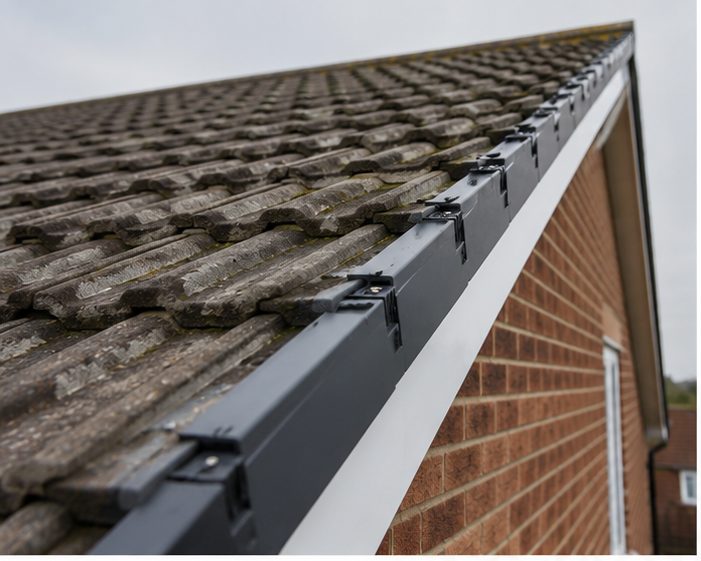
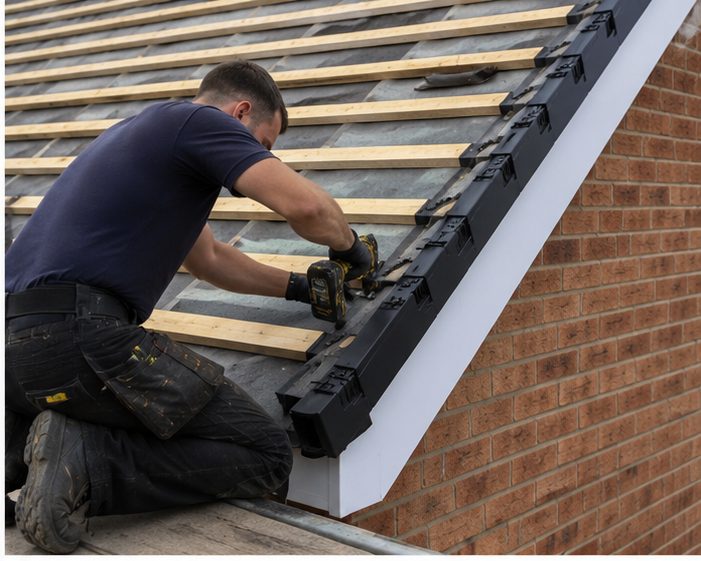
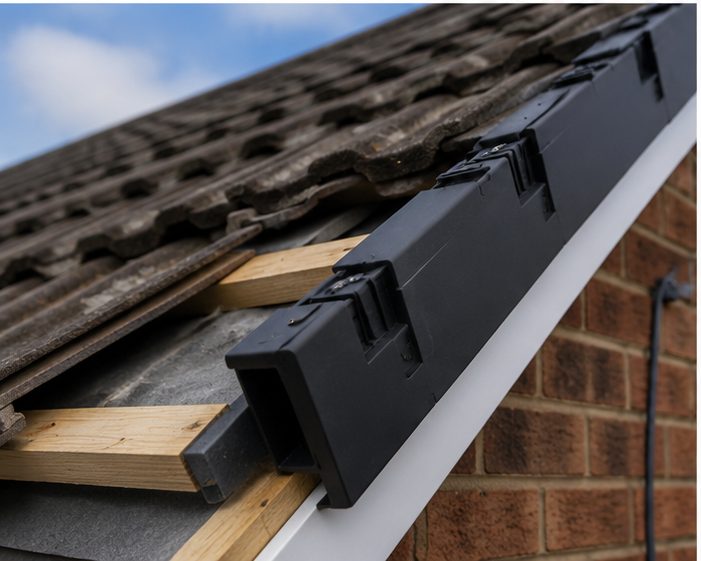
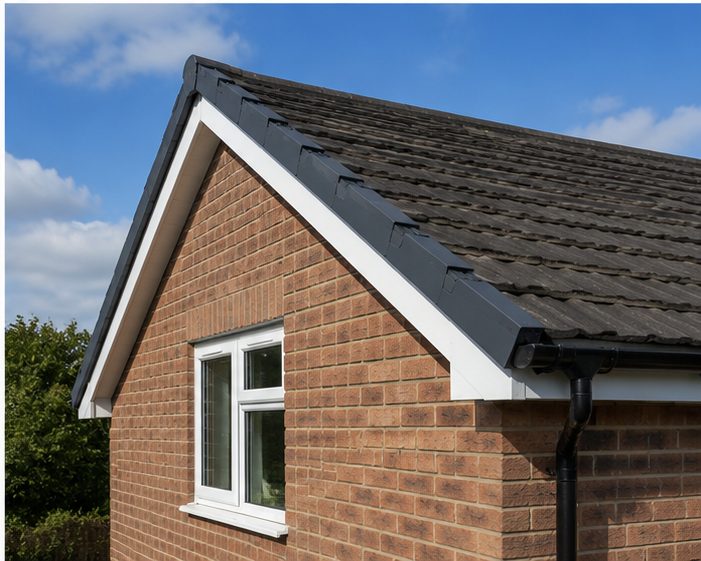
A dry verge replaces the mortar with mechanically fixed verge units and matching tile-end and cap pieces. Nothing is bedded wet, so there is no mortar to fail, and the edge is held down firmly in exactly the place where wind pulls hardest on a roof. In windy weather a loose edge is also a nuisance for anything below it.

Dry Verge Systems in Portishead by Brunel Roofing BristolDry Verge Systems in Portishead by Brunel Roofing BristolDry Verge Systems in Portishead by Brunel Roofing BristolDry Verge Systems in Portishead by Brunel Roofing Bristol

Talk to our team about dry verge systems in Portishead.

Dry verge work in Portishead's exposed setting

Portishead takes strong winds straight off the Severn Estuary, and the verge is the first part of a gabled roof to feel them. Wind lifts at the edge, forces rain under the last tiles, and slowly breaks the mortar bedding that holds the edge in place. The verge is a small part of the roof with a large job to do.

Victorian houses and older seafront homes with gable ends are the usual candidates here. A typical first sign is crumbs and lumps of mortar on the path, drive or windowsill below the gable, and often birds or insects begin to find a way in behind the gap. On a coastal house this is more than a cosmetic matter.

Dry verge is common on the large modern estates around Portishead as well, particularly on re-roofs and newer builds. Whether it can be fitted depends on the tile profile, so we always check compatibility on site, and we say so plainly if a different approach would suit better. We also look at how the neighbouring tiles are sitting, as wind often disturbs them together.

Dry verge jobs we do in Portishead

  • Replacing failed mortar verges. Old cracked mortar is cleared and the gable edge is rebuilt with mechanically fixed dry verge units, giving a firm and weather-tight finish.
  • Dry verge on new roofs. On a newly laid roof the verge is fitted dry from the outset, so the edge is secure and there is no wet mortar left to crack later.
  • Dry verge when re-roofing. If a roof is being stripped and re-covered, the verge is rebuilt dry to the tile maker's guidance as part of the same job.
  • Tile-end and cap pieces. Matching tile-end and cap pieces finish the edge neatly and protect the last tiles at the gable from wind and wet.
  • Verge repairs after mortar failure. Where only the verge has failed and the rest of the roof is sound, we repair the edge alone and leave the remaining covering alone.
  • Edge checks beside the verge. While we are at the gable we look at the nearby ridge and top courses, in case wind has loosened more than just the mortar.

How we fit a dry verge in Portishead

First we look at the gable edge from the ground, noting what has fallen and where the gaps are. Then we confirm on site whether the tile profile is compatible with dry verge units, because they do not suit every tile, and we agree the method before ordering anything. Each house gets its own assessment, not a standard answer.

Fixing follows the tile maker's guidance. We are honest about the limits: a dry verge sorts out the roof edge, but it is not a cure for a roof failing elsewhere, so we tell you what else we see and which jobs are urgent and which can wait. We would rather tell you now than leave a poor fit.


FAQs

Dry Verge Systems in Portishead — Frequently Asked Questions

What does dry verge mean?

It is a verge finished with mechanically fixed units and tile-end and cap pieces, with no wet mortar bedding. Because there is nothing to crack or wash out, the edge stays tighter in wind and rain.

Why does a verge matter so much near the coast?

Wind hits the roof edge hardest, and on an estuary-side town like Portishead there is plenty of it. A firmly fixed verge resists lifting and keeps wind-driven rain out of the roof edge. If a roof has other faults, we mention those too.

Will it fit any tile?

No. Compatibility depends on the tile profile, so we check on site before agreeing the work. If a dry verge does not suit your tiles, we explain the alternatives. Our aim is a verge that stays put.

Can I tell if my verge mortar is failing?

Falling mortar on paths and drives is the usual first sign, along with visible gaps from the ground. Please do not climb up to look; call us and we will inspect safely. That is why we give it proper time.

Does it stop birds and insects getting in?

A sound verge keeps weather, birds and insects out of the roof edge. Once mortar has gone and gaps open up, the edge becomes an easy way into the roof space. We keep the advice practical.

Free Resource

Dry Verge Systems Advice for Portishead

Practical guides for homeowners in Portishead and across Bristol.

Browse the Full Advice Centre →
More in Portishead

Other Roofing Services in Portishead

🚨 24-Hour Emergency Call-Out

Emergency Roofing Repairs, Any Time of Day or Night

Storm damage, sudden leaks or a roof that's come apart in bad weather? Our emergency roofing team is on call 24 hours a day across Bristol — and every job we carry out, emergency or planned, is backed by our 15-year guarantee.

Get In Touch

Request Your Free Quote

Tell us what's happening with your roof and we'll get back to you — usually the same day.

Prefer to talk? Call 07864 593 568, 01179 110 458 or freephone 0800 4748 321.

📞