What goes wrong on Clifton terraces and villas
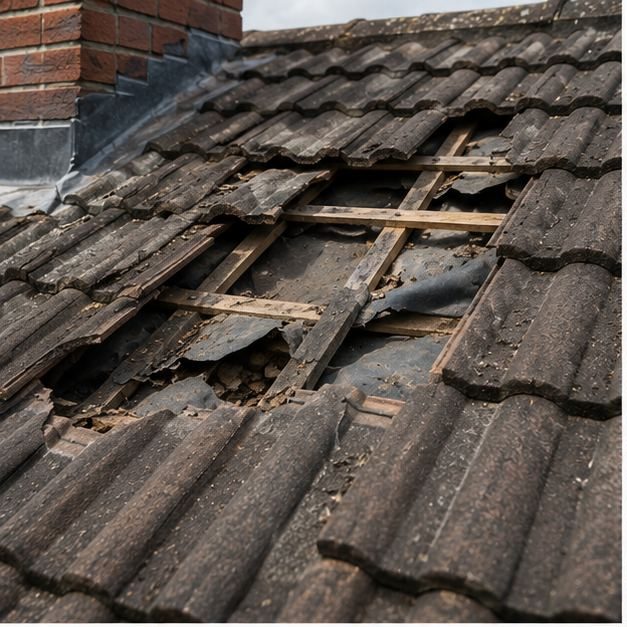
Steep slopes are the first thing to know about. Slates here slip as their nails corrode, and gravity on a steep pitch drags a loose slate down quickly. A single missing slate near the eaves can let rain run onto old boarding for months before anyone notices a mark inside. The steeper the slope, the quicker a loose slate moves.
Lead does a great deal of work on these buildings. Valleys between roof slopes, parapet gutters and the flashings around tall chimney stacks all rely on it, and each can crack, lift or split where the metal has moved with the weather. These joints are where we find most of the leaks. A careful survey of each is worth the time.
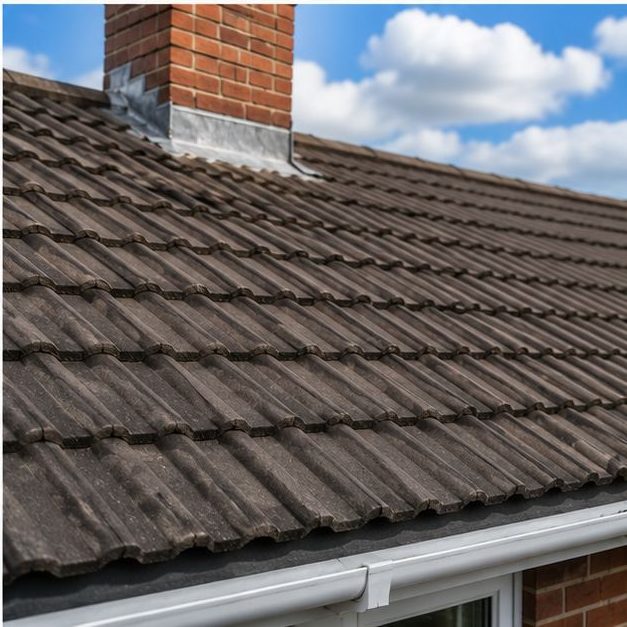
Tall chimney stacks bring their own repairs. Pointing weathers, flaunching around the pots cracks and the stack leans into the roof junction. A stack that looks solid from the street can be shedding water into the loft, so we check it closely from the roof side as well as from below. Poor stack repairs often fail again quickly.
Repairs we do on Clifton roofs
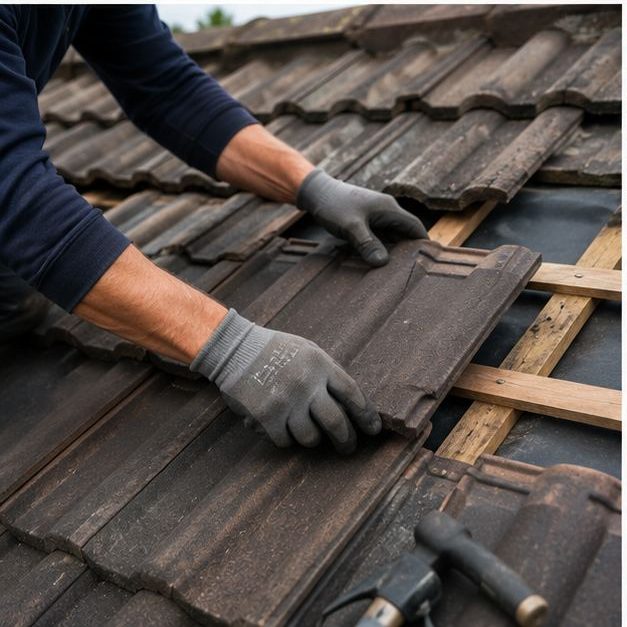
- Slate replacement and refixing. Slipped, cracked or missing slates replaced or refixed, with matches chosen to blend in with the existing roof.
- Lead valley repairs. Cracked or lifted lead in the valleys between slopes repaired or relaid so water runs off instead of backing up.
- Parapet gutter and flashing work. Lead-lined parapet gutters and wall flashings repaired where joints have opened or the metal has split.
- Chimney stack repairs. Pointing, flaunching and the junction where the stack meets the roof put right, so rain is kept out of the loft.
- Ridge and hip repairs. Failed bedding on the ridge and hip lines redone, since steep roofs shed water fast and any gap shows quickly.
- Leak tracing. Following a ceiling stain back through timbers, felt and masonry to the point where the water really gets in.
How we repair a Clifton roof
We begin from the street and the loft. The street view shows slipped slates, stack condition and obvious gaps, and the loft shows damp timbers, daylight and stained felt. Access to steep roofs is planned carefully, with the right equipment for the height. Access is planned for the height, using scaffold or towers where the roof calls for it.
Because many buildings here are listed or in a conservation area, work may need planning or Building Regulations checks — we advise before work starts. We explain what we found, which repairs matter most and which can wait. Small faults get small repairs, and we say plainly if the roof is nearing replacement. You then decide.