What We Find on Greenbank Terrace Roofs
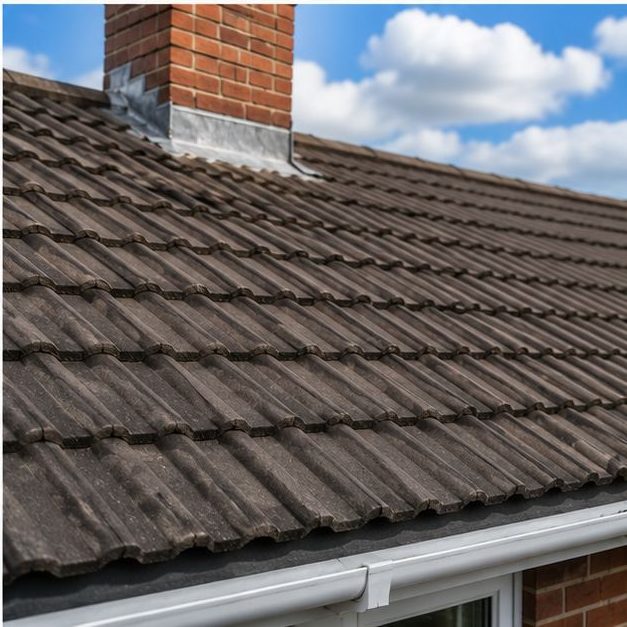
On a long terrace, the roof is one continuous run, and the weak spots are predictable. Ridge mortar dries and crumbles, tiles and slates slip as their fixings tire, and the lead where the roof meets a party wall or chimney lifts and lets water behind it. We check each of those along the run.
The bay fronts add their own trouble. Where the bay roof meets the main slope, there is a valley or a lead junction that has to deal with a lot of water, and this is a frequent source of the stain on the front room ceiling that people blame on the main roof.
Inter-war houses nearby have a different pattern, with hips, verges and chimney stacks that take the weather from several sides. Wind can shift tiles on any of them, and a quick check from the ground after a blustery spell will often tell you whether a proper look from us is worth arranging.
Roof Repair Jobs in Greenbank
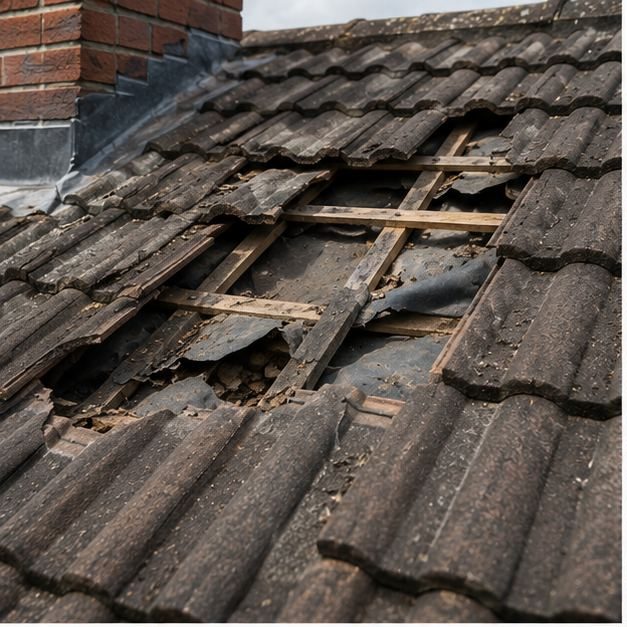
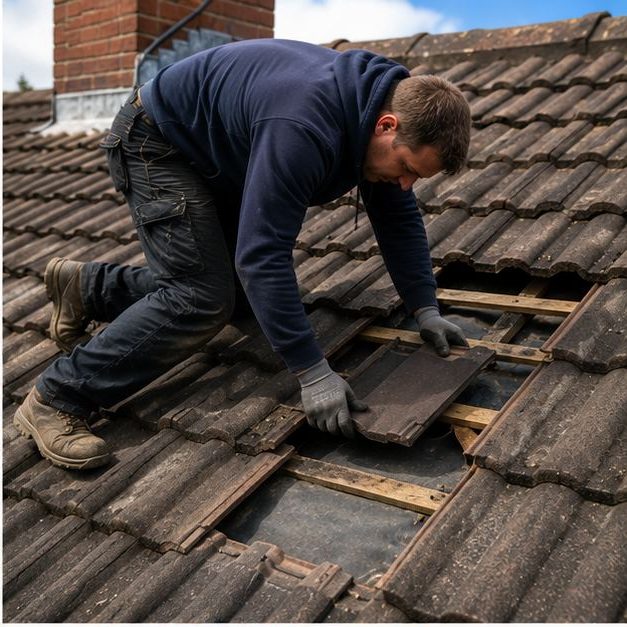
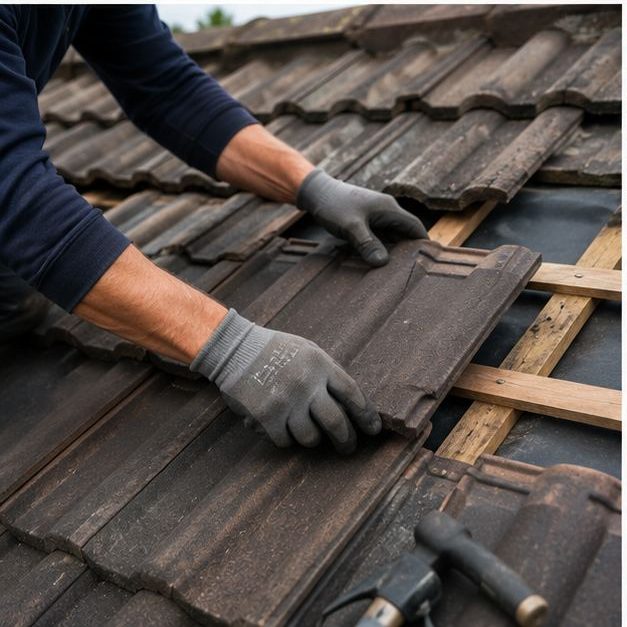
- Slipped tiles and broken slates. Replacing loose, cracked or missing coverings on terrace and inter-war roofs, matching the existing roof as closely as we can.
- Ridge and hip re-bedding. Removing crumbling ridge and hip mortar, re-bedding the pieces securely and checking the tiles either side for movement.
- Bay roof lead and valleys. Repairing or renewing lead and valley gutters where a bay roof joins the main slope, a common source of front room leaks.
- Party wall and chimney flashings. Renewing lead flashings at chimneys and party walls along a terrace, which is where many long-running leaks begin.
- Finding the true leak source. Tracing a ceiling stain back through the loft and along the felt to the real opening, then repairing that rather than the nearest tile.
- Storm and gutter-edge repairs. Putting right coverings and roof edges loosened by wind, and making the roof watertight before wider work is considered.
How We Go About Repairs in Greenbank
We look at the roof from the street and from safe access at the back where we can, then check the loft for damp timbers and stained felt. Terraces often share a roof space, so we look at how any problem might connect to the neighbouring house. That shared space can show where a fault travels.
You then get photographs and a plain explanation. If a few repairs will hold, we recommend them and leave it there. If the covering is worn along the whole terrace slope, we say so and explain why further patching would not last. You decide with the full picture in front of you, and there is no pressure to go further than the roof needs.