Roof faults on Old Market's mixed buildings
Parapets are a recurring theme here. Where a roof drains into a gutter hidden behind a wall, a blocked outlet or a split lining can soak the brickwork for months before anyone sees damp inside. We check parapet gutters, copings and the lead or other linings that keep them watertight. Hidden gutters like these are easy to overlook.
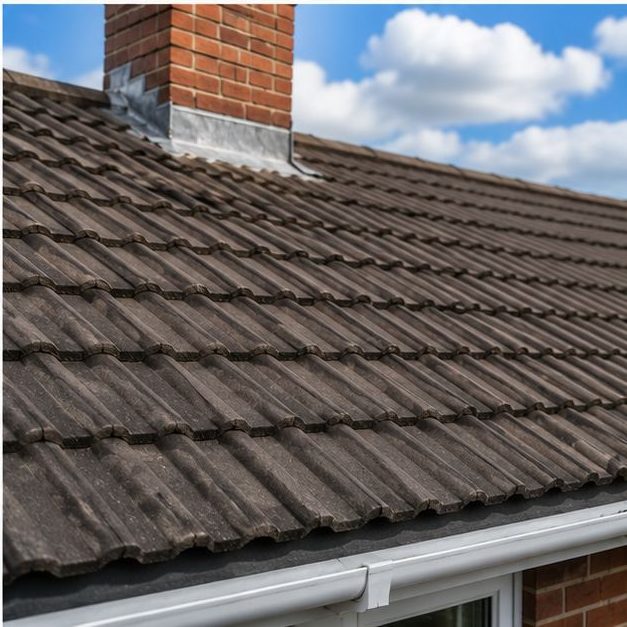
Georgian and Victorian terraces bring pitched coverings of slate or tile, with chimneys, valleys and flashings that have been repaired many times. Older commercial buildings add larger, lower-pitched roofs and rooflights, while newer flats usually have simpler coverings but a lot of junctions and edges. We read each type of roof on its own terms.
Working in a dense city centre changes the job. Narrow frontages, shared walls, traffic and limited space for equipment all affect how a repair is done, and sometimes whether it needs scaffold. We plan for that before arriving, and we tell you straight whether a patch will do or the section needs more.
Roof repair work we handle in Old Market
- Parapet gutter and lining repairs. Cleaning, repairing or relining the hidden gutters behind parapet walls, where blocked outlets and split joints soak brickwork unseen.
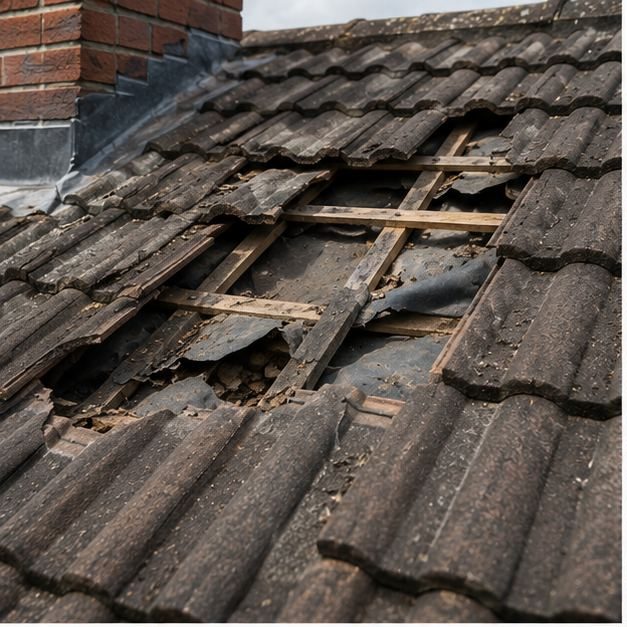
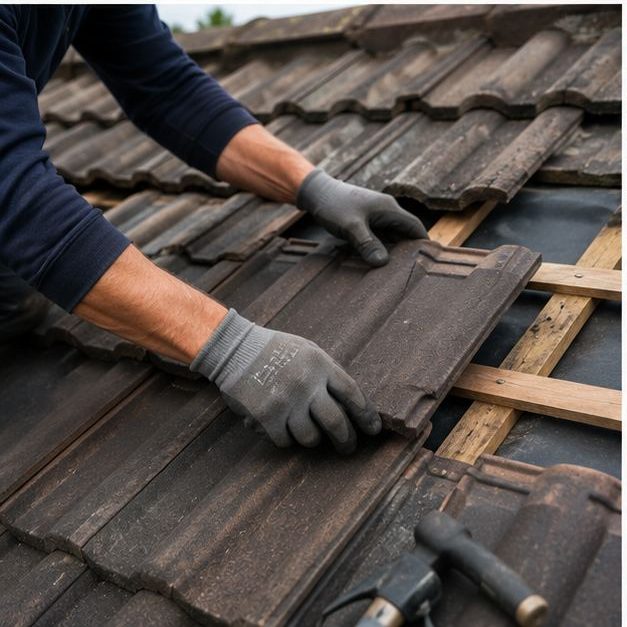
- Slate and tile repairs. Replacing slipped, cracked or missing slates and tiles on Georgian and Victorian pitches without disturbing the sound areas around them.
- Lead flashings and valleys. Renewing lead where roofs meet walls, chimneys and each other, which are the junctions older city roofs most often fail at.
- Chimney and coping repairs. Putting right pointing, flaunching and flashings on stacks and parapet copings that let rain into the walls below.
- Leak tracing on shared buildings. Following water through timbers and felt to find the real source, which matters where one roof covers several flats or units.
- Ridge, hip and storm repairs. Re-bedding loose ridges and hips and refitting coverings loosened by strong winds across the open roofs of the city.
How we manage repairs in Old Market
We begin inside, with the ceilings, top-floor rooms or lofts where the water shows, and then inspect outside from the safest set-up the site allows. In a tight city street, we agree access, parking and pedestrian protection before anything goes up. Photographs are taken so you can see what we see.
Then we explain what we found in plain words, show you photographs, and say which items are urgent and which can wait. If the building is shared, we can give the same findings to owners or managing agents so decisions are made on the same facts. Nothing is started until everyone has agreed the plan.