What goes wrong on Redcliffe roofs
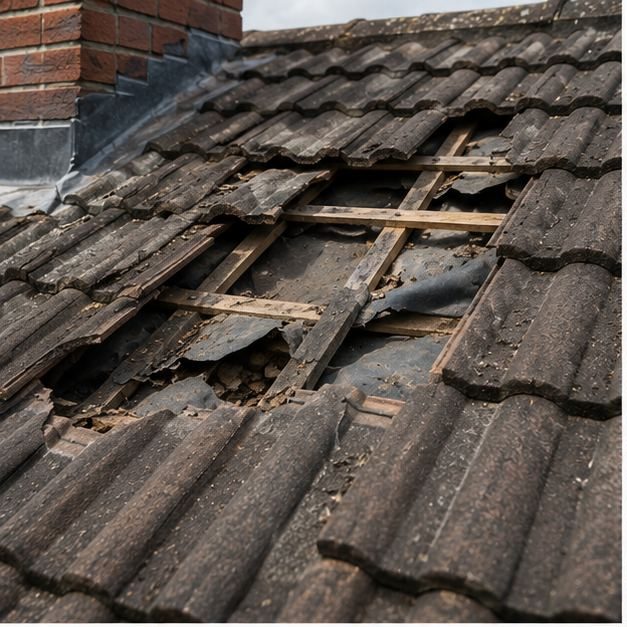
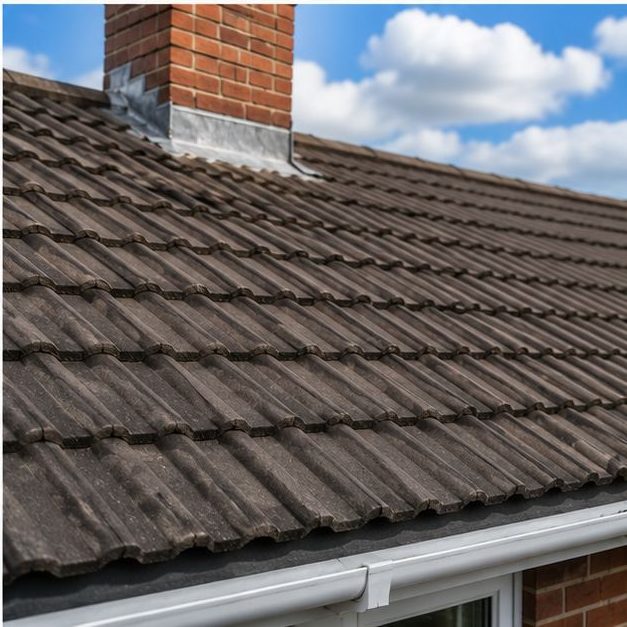
On the older terraces the usual faults are slipped or cracked tiles, broken slates and tired ridge bedding. These are modest repairs when caught early, and the work is mostly a matter of matching what is already on the roof and refixing it properly. Early attention keeps these jobs small, and we are happy to say when a roof only needs a light touch.
The converted warehouses and newer flats bring a different list. Flat sections, parapet walls and the lead or sheet work where a wall meets a roof are the usual weak points, and a small split at a junction can wet a ceiling some way from where the water got in. Each one is checked in the context of the whole building, not as an isolated spot.
Many Redcliffe buildings sit on tight sites, so getting materials up and rubbish down takes planning. We work out access and any scaffold or hoisting before the day, so repairs are done neatly without blocking neighbours more than we have to. This keeps the work tidy for everyone nearby. Small faults caught early usually stay small jobs.
Roof repair jobs we handle in Redcliffe
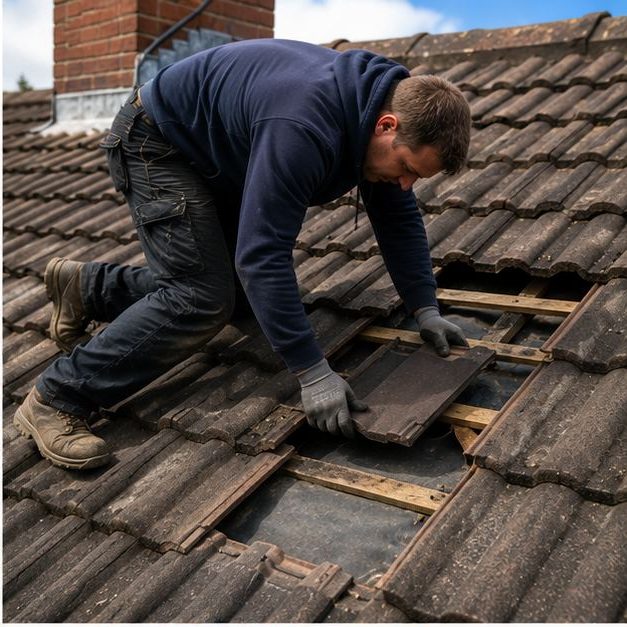
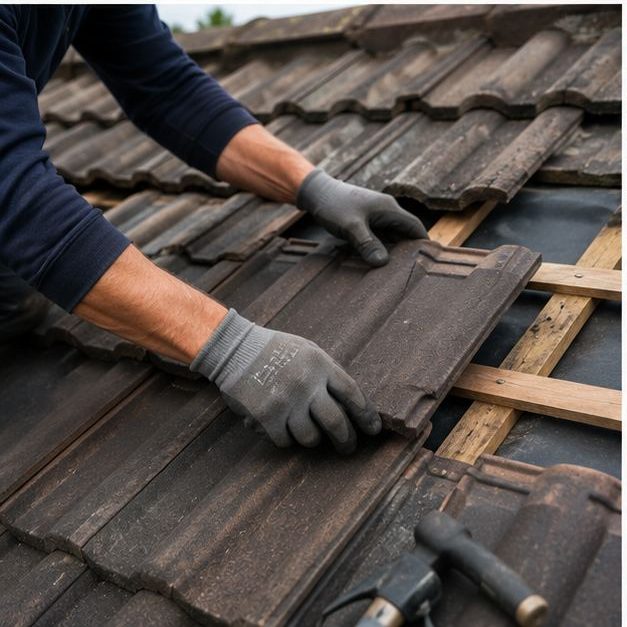
- Slipped and cracked tiles. Individual tiles that have slipped, cracked or gone missing are replaced and refixed, matched to the existing roof as closely as we can.
- Broken and loose slates. Slates that have split or worked loose on older Redcliffe roofs are replaced or refixed so the covering sheds water again.
- Ridge and hip re-bedding. Where bedding mortar has cracked or ridge tiles have shifted, we lift, rebed and refix them so the top of the roof is sound.
- Lead flashings and parapet junctions. Lead work around walls, parapets and abutments is repaired or renewed, since this is where converted and mixed-use buildings often start to leak.
- Finding the true source of a leak. We follow stains and damp back along timbers and felt to the actual opening, rather than patching where the drip appears.
- Gutter-edge and verge repairs. Damaged edges, loose verge pieces and failed gutter-line details are made good before they let wind and rain under the covering.
How we approach roof repairs here
We start with a visit to the roof and, where we can, the loft or top-floor ceilings, then explain what we found in plain language. In Redcliffe that often means looking at parapets and flat sections as well as the pitched slopes, because the leak is frequently at the join between them.
Access comes next. Tight sites and shared walls affect how we set up, and we say early if scaffold or a hoist is needed. We then give you an honest view on repair versus replacement, and only recommend a bigger job if the roof really calls for it.