What goes wrong on roofs in Ridgeway
The hips are the first place we look on a Ridgeway house. Each hip line carries a run of ridge tiles bedded in mortar, and over the decades that mortar cracks, loosens and lets tiles shift. Left alone, the gaps let rain onto the timbers underneath, and the damage spreads along the hip.
Extensions and garages bring their own trouble. Where a newer pitched section meets an older main roof, there is usually a lead flashing or a valley, and these are the usual cause of a stain that appears on a back bedroom or in a kitchen extension ceiling rather than under the main roof.
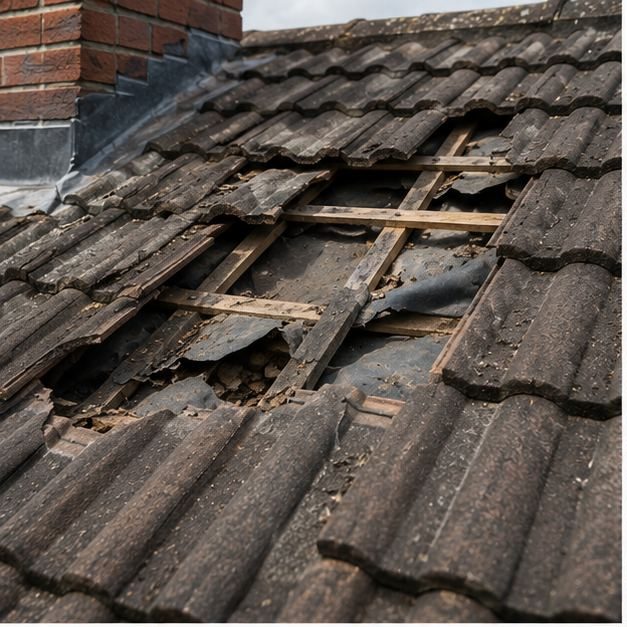
Inter-war and post-war roofs have also had a long time to move. Tiles slip a little each winter, battens soften, and the felt underneath dries out. A leak seen in one room can start a good way up the slope, because water runs along timbers before it drips, so we trace it back before touching anything.
Roof repair jobs we handle around Ridgeway
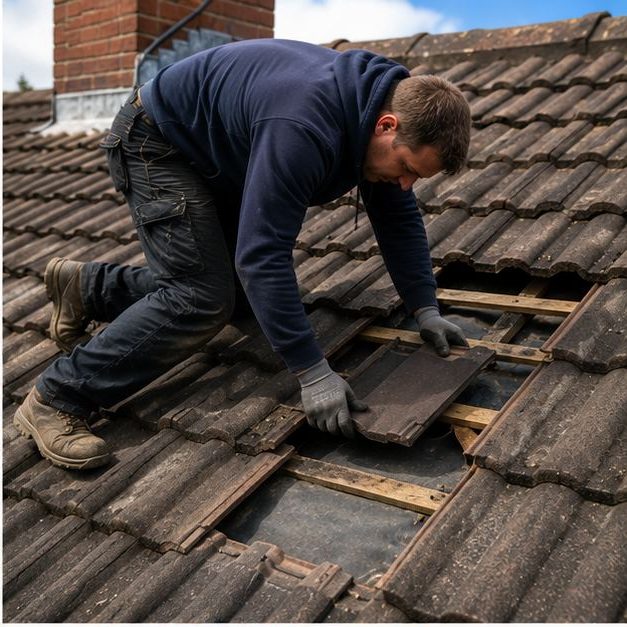
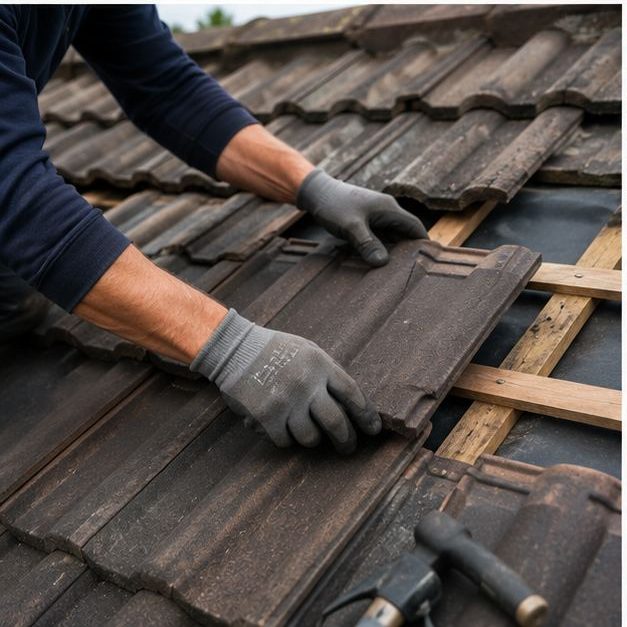
- Slipped and cracked tiles. Replacing broken or displaced tiles on main slopes and extensions, matching the existing profile as closely as the roof allows, and checking the battens beneath.
- Hip and ridge re-bedding. Lifting loose ridge and hip tiles, clearing old crumbled mortar, and re-bedding them so the hip lines on a hipped roof are sound and tidy again.
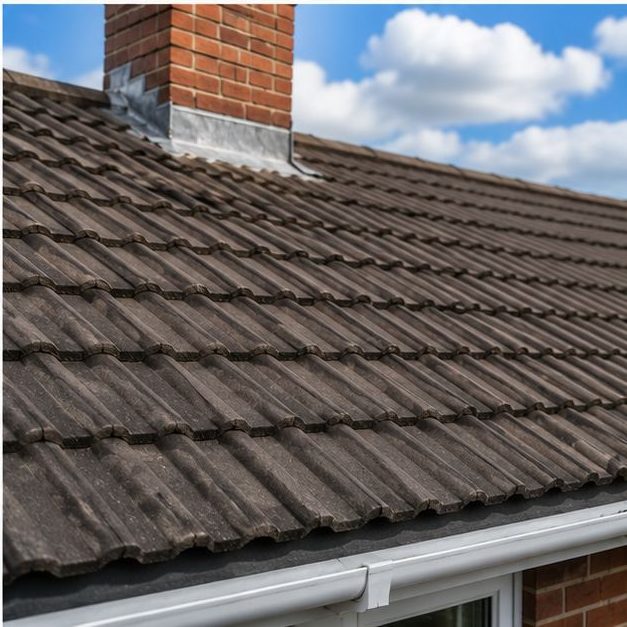
- Lead flashings and valleys. Repairing or renewing the lead where a garage or extension roof meets the main house, and where valleys carry water between two slopes.
- Verge and gutter-edge repairs. Dealing with loose verge mortar and tiles that overhang the gutter, where wind and run-off tend to do their damage first.
- Leak tracing. Following a stain back along felt and timbers to the real entry point, so the repair goes where the water actually gets in.
- Storm-loosened coverings. Re-fixing tiles and ridge pieces that have lifted in a blow, and checking the neighbouring tiles that took the same strain.
How we approach a roof repair in Ridgeway
We start on the inside where we can, looking at the ceiling stain and then into the loft for damp timbers, daylight or wet felt. After that we inspect the roof itself, working along the hips, the flashings and any extension joints, and we explain what we find before agreeing any work.
Access on these streets is usually straightforward, though a garage roof or side extension may need ladders or a tower set up carefully. If the covering is sound and one area has failed, we repair it. If it is tired across the whole slope, we say so and talk through the options.