How the westerly wind treats Shirehampton roofs
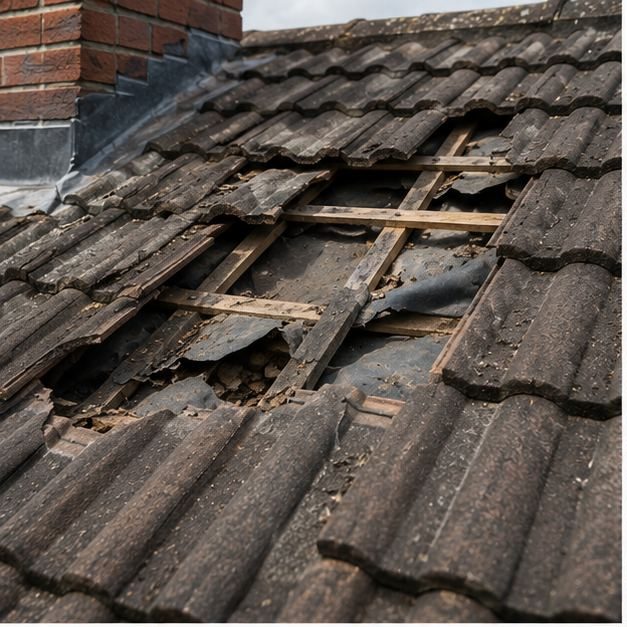
Wind is what sets roofs here apart. A gale from the west lifts the edges of tiles, drives rain sideways under them and works at ridge pieces until the bedding gives way. The slopes that face the weather usually show the damage first, and we start our inspection on those. That detail is checked on site, not assumed from the ground.
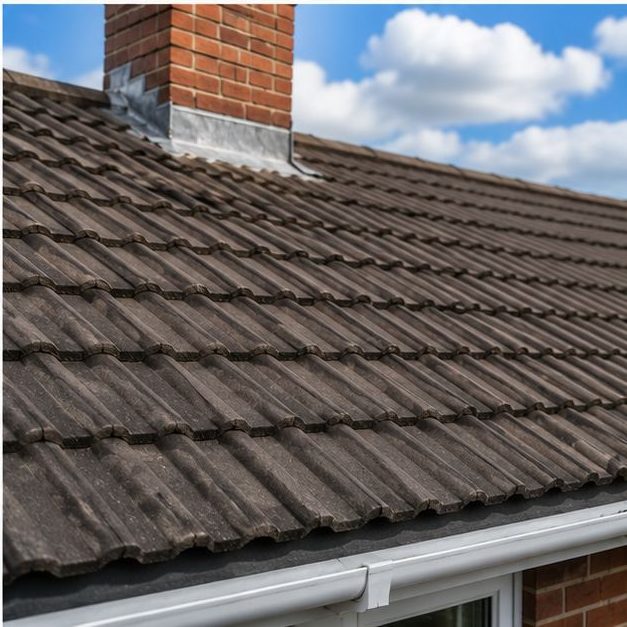
Village-style streets mean a lot of terraced and semi-detached houses with shared roof lines, so a fault on one house can sit right beside a flashing or party wall detail belonging to the next. We check those junctions carefully, because they are common places for water to get in and run along timbers.
Inter-war and post-war roofs in this part of Bristol have usually been through many winters. The felt beneath has often dried and cracked, and tiles that look sound from the ground may be held on by tired battens. When we find that, we say so, instead of replacing a few tiles and leaving the cause.
Repairs we carry out on Shirehampton roofs
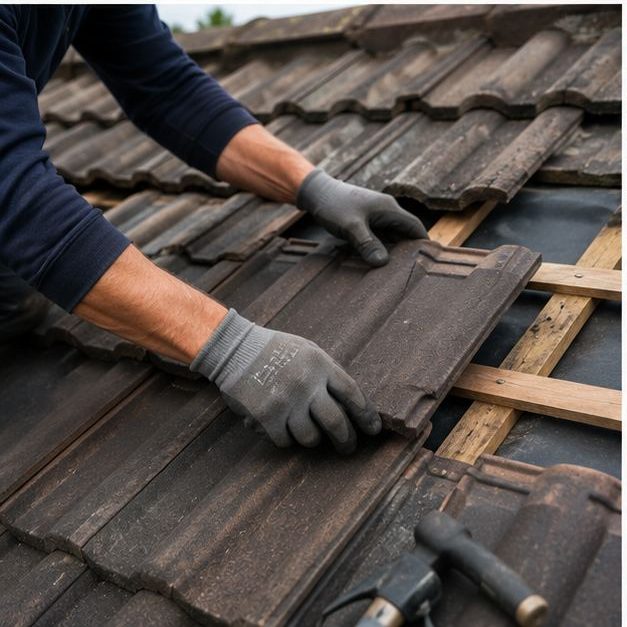
- Wind-lifted and slipped tiles. Re-fixing or replacing tiles that have shifted in the westerly wind, and checking the battens and neighbouring tiles that took the same load.
- Ridge and hip re-bedding. Taking off loose ridge and hip tiles, clearing crumbled mortar and re-bedding them securely so they stay put in a blow.
- Lead flashings and valleys. Repairing or renewing lead at chimneys, party walls and valleys, where wind-driven rain is most likely to find a gap.
- Verge and gutter-edge repairs. Dealing with verge mortar and edge tiles that wind has worked loose, and tiles overhanging the gutter that have slipped.
- Leak tracing. Following a ceiling stain back along timbers and felt to the actual entry point before any repair is carried out.
- Storm damage make-safe. Securing coverings that have been lifted by a storm, then agreeing the full repair once the roof is no longer taking in water.
How we approach a roof repair in Shirehampton
We begin inside, with the ceiling and then the loft, looking for damp timbers, wet felt and daylight. Then we inspect the roof, concentrating on the west-facing slopes, the ridge and the junctions with neighbouring roofs. You get a plain explanation of what we find before any work is agreed.
On terraced streets, access is often along the front or through the rear, and we plan it so that neighbours are not inconvenienced. If one patch has failed and the rest is sound, we repair it. If the roof is tired across the board, we tell you, and talk through what a longer-term fix looks like.