Fitting roof windows where the weather comes from the west
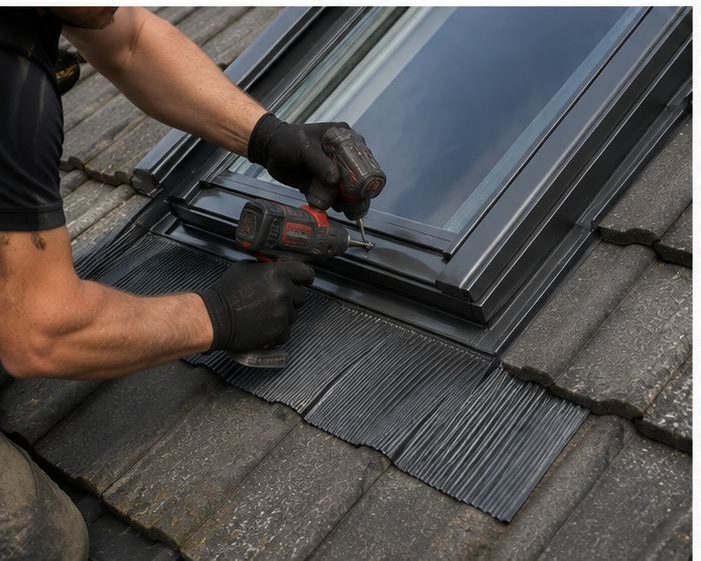
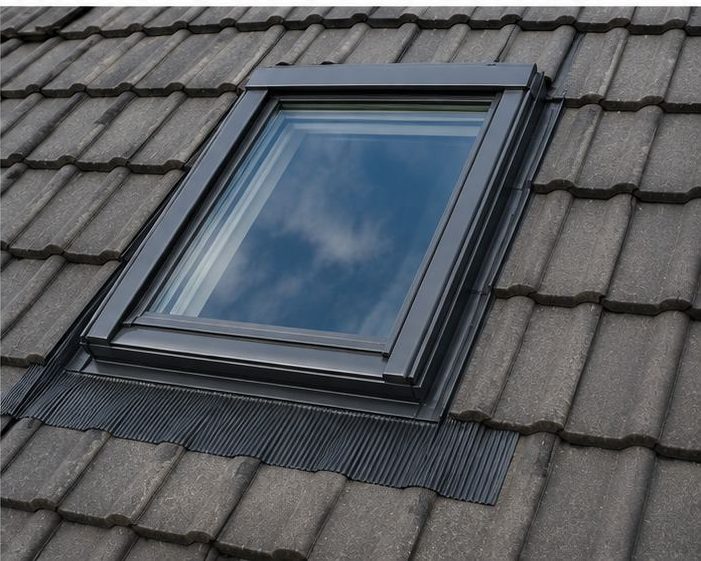
Shirehampton roofs are exposed to westerly wind and rain, and a roof window is a break in the covering that has to cope with that. The flashing kit must match your roof covering exactly, and it must be fitted carefully, because driven rain finds any gap in the surround. Our advice is the same whether the job is small or large.
Many houses here are semis and terraces on village-style streets, with a main roof slope facing the road and another facing the garden. The rear slope is often the better choice for a window, but we check the rafters, the room layout and the sky position before agreeing a location. We leave you with a clear account of what was found and what was done.
Windows fitted years ago on older roofs here commonly leak at the flashing or mist between the panes. The leak is rarely the glass itself. Often it is the seal, the flashing or the tiles around the frame, and a careful look decides if the window can be saved or should be swapped.
Roof window work in Shirehampton
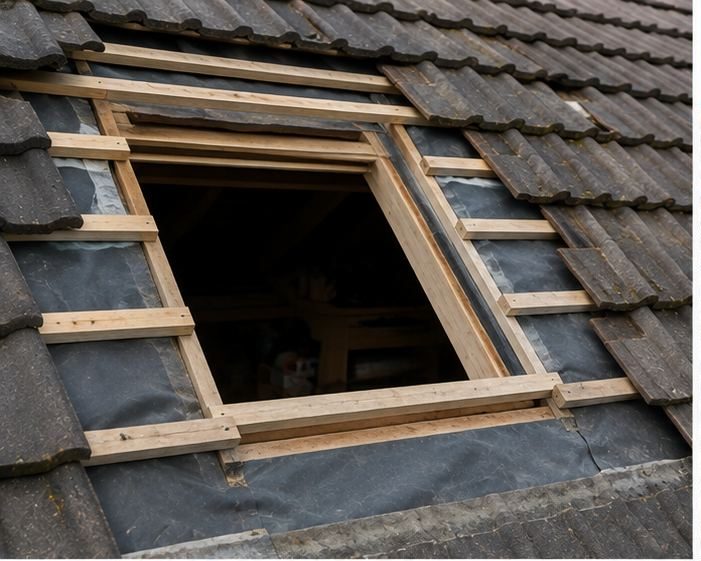
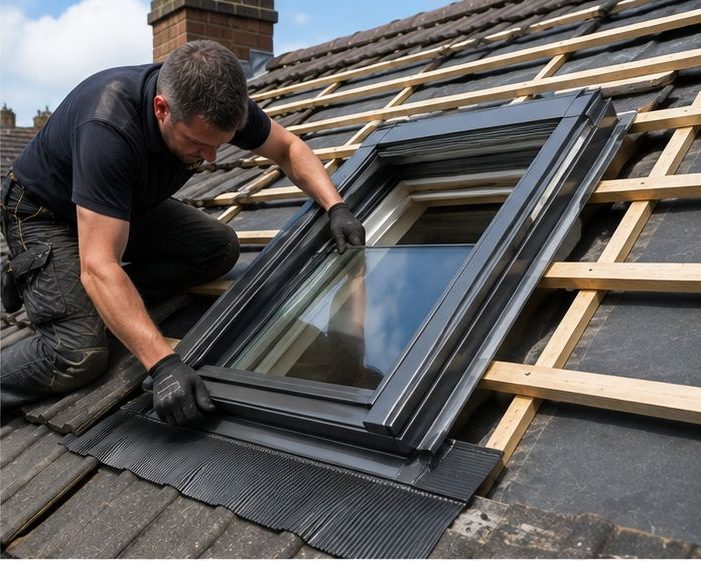
- New roof window installation. Cutting the opening, trimming and doubling up rafters where needed, and fitting the window with a flashing kit matched to the covering.
- Replacing leaking or old windows. Removing a worn roof window and fitting a new one in the opening, with fresh flashings and a properly sealed surround.
- Loft conversion roof windows. Fitting roof windows as part of a loft room, with lining, insulation and vapour control formed around each opening.
- Flashing and sealing repairs. Putting right leaks that come from the flashing, sealing or surrounding tiles, when the window itself is still sound.
- Misted glazing unit replacement. Replacing a sealed unit that has failed and misted, which cannot be cleaned out from either side.
- Bungalow and dormer lofts. Roof windows for bungalow lofts and dormer spaces, where the pitch and layout call for careful positioning and detailing.
How we install a roof window in Shirehampton
We begin in the loft, looking at rafter spacing, existing insulation and where the window would sit in the room. We then check the covering outside, so we can match the right flashing kit. Rafters may need trimming and doubling up, and we explain that before we start.
After the window is set, we line the opening, insulate around it and fit vapour control, which keeps condensation from building up at the frame. The room below is protected while the roof is open, and we plan the day around the forecast. Some fittings may need planning or Building Regulations checks, and we advise before work starts.