
You cannot climb up to inspect a roof, and you should not try. These are the signs a good job leaves, which you can check from the ground, the loft and the written description.
After a roof is finished, the best test is whether the work matches what was agreed and whether the roof stays dry. In a dense St Pauls street you will have neighbours, narrow access and shared walls, which makes a tidy, well-explained job easier to recognise.
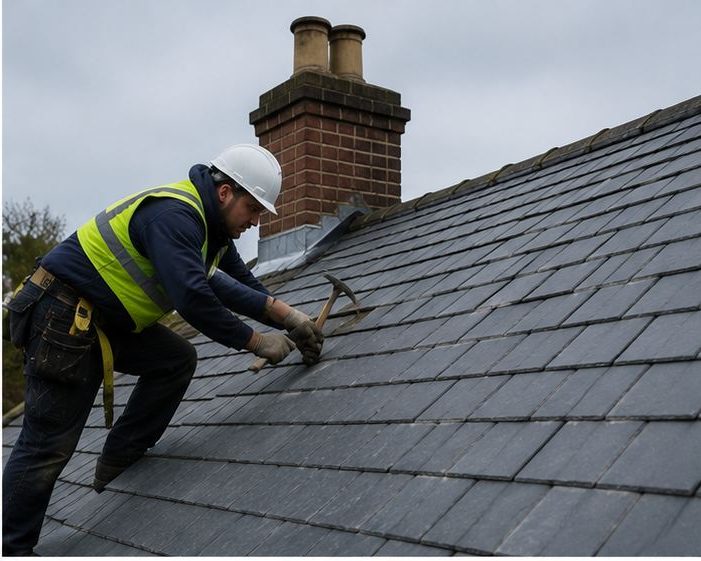
Compare the work with what was agreed
Start with the written description. It should say what was to be done, where, and with which materials. Check that each item has been covered, and if something was changed on site there should be a clear explanation of why it was necessary.
A roofer who tells you honestly what they found, and shows you photographs of it, is doing the job properly. Photographs matter most for the parts that end up hidden under tiles, felt or flashings once the work is finished. If you were not shown any, ask for them while the memory of the work is fresh.
What to look at from the ground
From the pavement or garden, look at the lines of the roof. Tiles or slates should sit in straight, even courses with no gaps or slipped pieces. Ridge and hip lines should look neat, and lead should sit flat against the wall. Gutters should run straight and meet the downpipes cleanly.
Do the looking from a safe spot, with binoculars if you have them, and never from a ladder against the house or from the roof itself. Binoculars from the pavement show far more than you would expect, and a phone camera with zoom does a similar job.
- Even rows of tiles or slates
- Straight, neat ridge and hip lines
- Flashings sitting flat against walls
- Gutters aligned and joined cleanly
What to check inside the loft
After the next heavy rain, look in the loft with a torch. You should see no daylight through the covering, no fresh damp patches on timbers, and no wet insulation. Do not go onto the roof yourself. If anything looks wrong, take photographs, note the weather, and contact the roofer promptly.
The site and the aftermath
A good roofer leaves the site tidy. Broken tiles, old mortar, offcuts and packaging should be cleared from the street, paths and gutters. Neighbours should not have been left with debris on their side. Scaffolding should have been put up safely and taken down without damage to the house.
On shared streets it is worth asking a neighbour whether anything was left behind or damaged, since problems on their side are easy for you to miss. Walk round once the scaffold has gone and look at the paths, gutters and any lower roofs.
What a good roofer explains
Expect a clear explanation of what was wrong, what was done and what, if anything, needs attention later. You should be told what is urgent and what can wait. Anything that sounds vague or hurried deserves a question, and a straightforward roofer will welcome it.
- What was wrong and what was done
- What may need attention in future
- What to look out for after heavy weather
Frequently Asked Questions
Can I judge the work from the pavement?
You can judge the general neatness, such as straight courses, tidy ridge lines and lead lying flat. You cannot judge everything from the ground, so the loft check after heavy rain and the written description are also worth using.
What if a leak returns after the job?
Contact the roofer straight away with photographs and the date, and ask them to look again. A genuine fault should be investigated and explained. Do not attempt to deal with it yourself from the roof.
Should I ask for photographs of the work?
Yes. Photographs of what was found and what was done are a sensible request, especially for work hidden under tiles or flashings. A roofer who keeps clear records is easier to trust and easier to go back to.
Talk to our team about general roofing services in St Pauls
Every roof is different — the fastest way to get an accurate answer is a quick chat with our team.