Roofing Across Kingsweston and the Hill
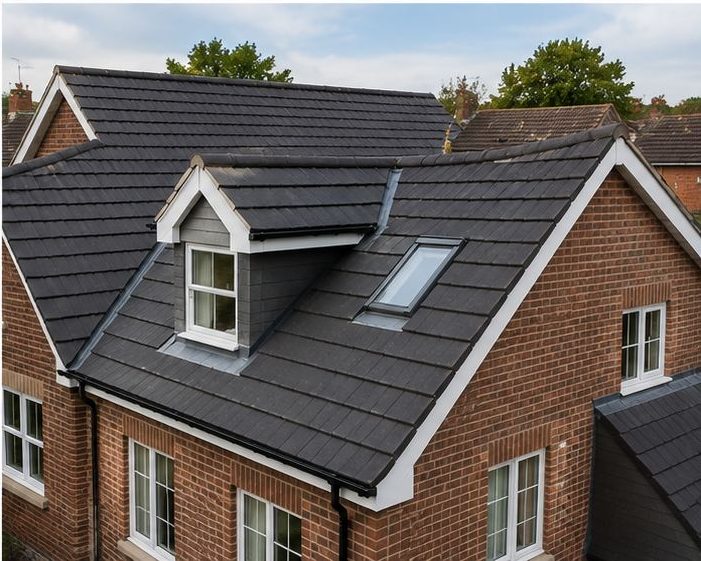
The roofs around Kingsweston Hill and the Lawrence Weston side are mostly post-war, which means many are at an age where felt, fixings and bedding are wearing out together. A problem on one slope often hints at others. Because the whole area was built within a similar period, a fault we find on your roof is often one we have seen on neighbouring houses.
The ground is open and high, so weather matters more than in a sheltered street. Wind lifts tiles and ridges, rain gets driven sideways, and gutters and fascias take a battering that shows up as sagging runs and flaking timber. Moss, blocked gutters and loose ridge tiles are common on roofs like these, and all of them are worth dealing with before the winter weather.
Most houses here have a mix of pitched roofs and flat additions such as garages and porches. We deal with both, so there is no need to find separate trades for the tiles, the flat roof and the edges. Chimneys on exposed houses take a hard time too, with flashings and pointing loosening in the wind.
What We Cover in Kingsweston
- Roof repairs. Slipped tiles, loose ridges, failed flashings and leaks traced back to the real source, with an honest view on repair or replace.
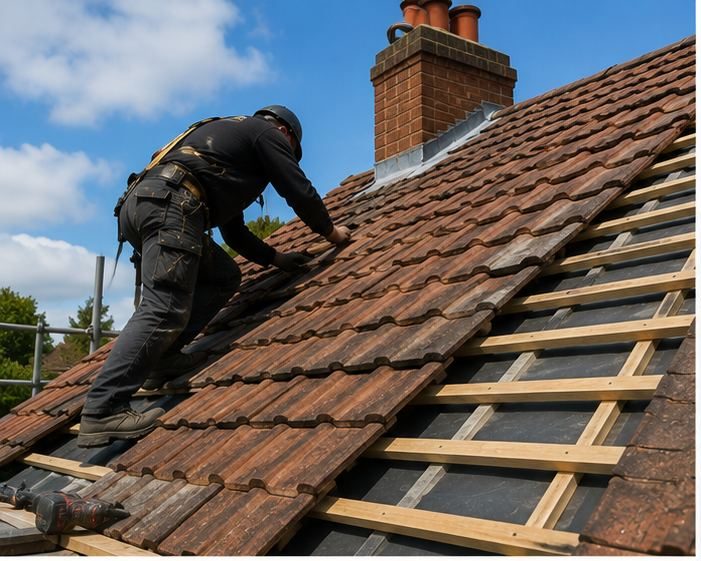
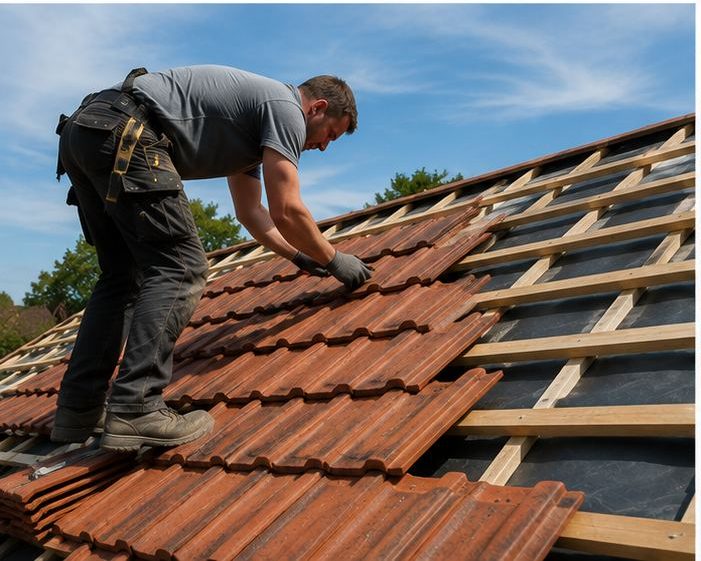
- Re-roofing. Stripping and renewing a tired roof covering with new battens and felt, when repairs would only be a temporary fix.
- Flat roofing. Repairing or replacing flat roofs on garages, extensions and porches, including falls, edges and outlets.
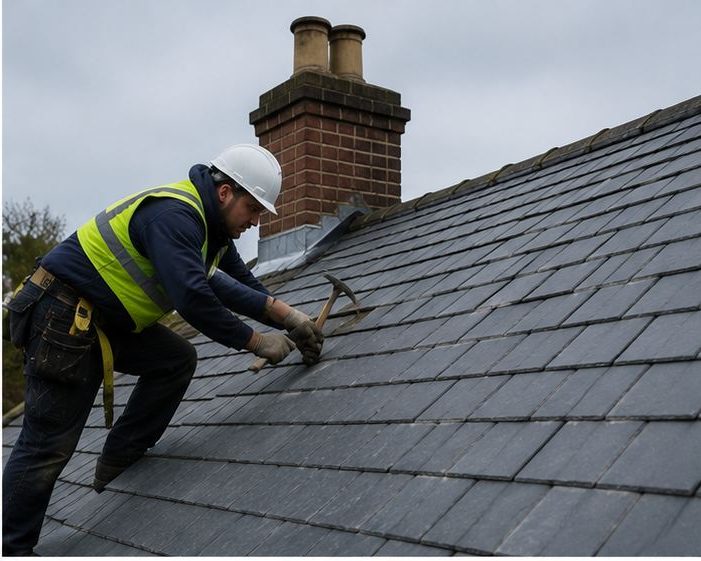
- Lead, chimneys and ridges. Lead flashings, chimney work and ridge and hip repairs, which are where many leaks start on exposed roofs.
- Gutters, fascias and soffits. Replacing worn gutters and fitting UPVC fascias and soffits so the roof edge is sound and drains properly.
- Storm damage and inspections. Dealing with wind damage after a blow, and surveying a roof so you know where it stands, including moss removal.
How a Roofing Visit in Kingsweston Works
We look first from the ground, then in the loft, then on the roof. Photographs and notes help us show you what we find so you are not taking our word for it. We ask what you have noticed, because your account often points to where the fault is. We also point out the early signs that are easy to miss, such as a ridge dropping slightly or a gutter pulling away.
After the survey we go through it in order: what is urgent and risking more damage, what should be done soon, and what can wait. You get a clear view of the options, including the shorter-lived options that would not last, and you decide how to proceed. Where something is not urgent we say so, and we do not use it to pad the job.