Dry verge on Hengrove's gable-ended homes
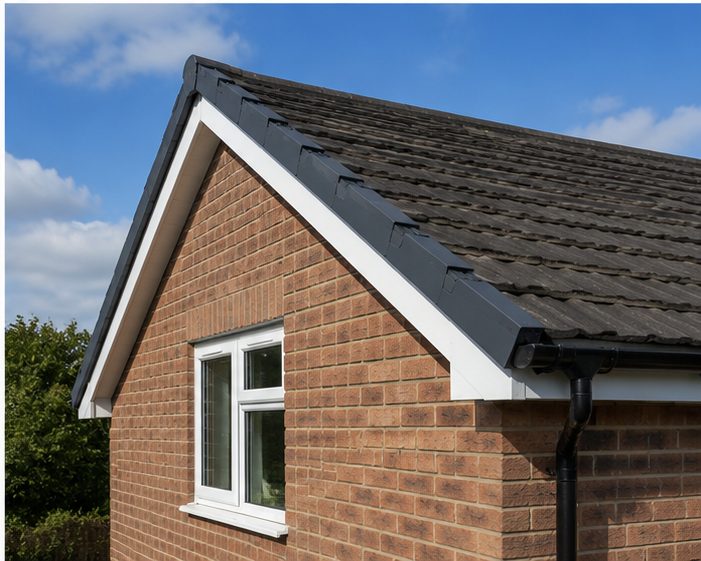
Not every Hengrove roof has a verge to worry about. Many semis here are hipped, with ridge and hip lines instead, but plenty of gable-ended houses, bungalows and short terraces do have verges, and those on the older estates are often still the original mortar. Those that do have verges often show their age with cracks and gaps long before the tiles themselves go.
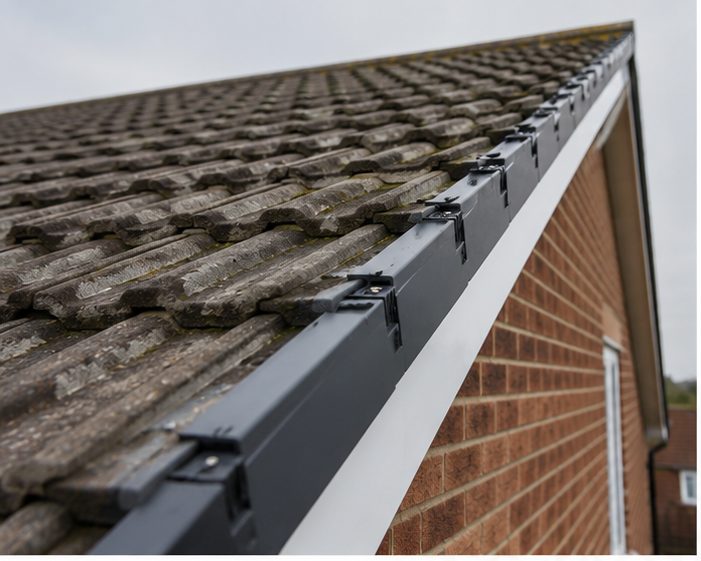
Because many of the estates date from the inter-war and post-war years, the verge mortar has now had a very long time to crack. On a re-roof, replacing it with a dry system makes sense, since the edge is open anyway and the result will not need re-pointing. Fixed units also remove a job people tend to forget about until mortar lands on the path.
The tiles vary between the older estates and the modern infill, and compatibility depends on the tile profile, so we check on site before fixing. A dry verge does not cure a roof failing elsewhere, so we also look at the rest of the covering. Sometimes the right answer is a repair elsewhere first, and we say so plainly.
Dry verge work in Hengrove
- Dry verge on new roofs. On new roofs the units, tile-end pieces and caps are fixed as the covering goes on, so the edge is secure from the start.
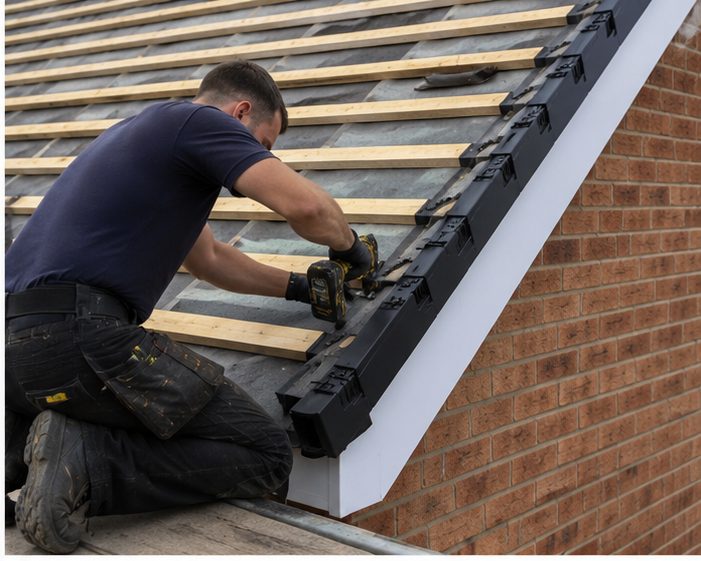
- Dry verge during a re-roof. When we strip and relay a roof, we replace the old mortar verge with a dry system as part of the job.
- Replacing failed verge mortar. Where an existing gable has cracked or fallen mortar, we remove it and fit dry verge units fixed to the tile maker's guidance.
- Gable bungalow roofs. Gable-ended bungalows get a neat dry verge that suits their low, long edges and takes less maintenance.
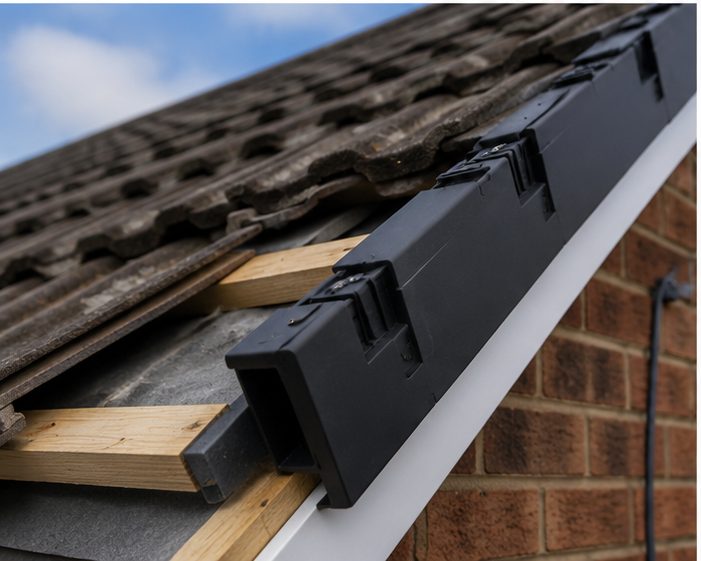
- Cap and tile-end finishing. Matching cap and tile-end pieces close the roof edge neatly and keep weather, birds and insects out.
- Wind-lifted verge repairs. Following wind damage we make the edge safe, then replace damaged tiles and verge units to restore a sound finish.
How we fit dry verge in Hengrove
We start by looking at the existing verge and gable edge from safe access, noting where mortar has failed and which tile profile you have. Then we confirm on site whether dry verge units fit that profile, because that decides the whole approach. Guessing at this stage is how mismatched units end up on a roof.
Fixing follows the tile maker's guidance. Old mortar is removed, edge tiles and battens checked, and the units fixed mechanically. If we notice other defects in the covering, we say so before you decide how much work to take on. Anything else we spot on the way, such as slipped tiles or tired flashing, goes into the same conversation.