Dry Verge for Hillfields Gable Edges Where Mortar Has Failed — Brunel Roofing Bristol

Dry Verge for Hillfields Gable Edges Where Mortar Has Failed

Brunel Roofing Bristol fits dry verge systems on Hillfields gables, replacing cracked and falling mortar with mechanically fixed units that stand up to wind and keep the roof edge closed.

✓ Fully Insured
✓ 15-Year Guarantee
✓ 24-Hour Emergency Call-Out
✓ Free Quotes & Advice
★ Fully Insured & 15-Year Guarantee
★ 24-Hour Emergency Call-Out
★ Local Bristol Roofers
★ Free Quotes & Advice
Roofing Services · Hillfields

Dry Verge Systems for Hillfields Properties

At a gable, the roof edge is called the verge. Traditionally the tiles there are bedded in wet mortar, but mortar shrinks, cracks and eventually drops out, and with it goes the hold on the outermost tiles. It is a neat fix on gabled roofs and one that tends to stay put once it is done properly.

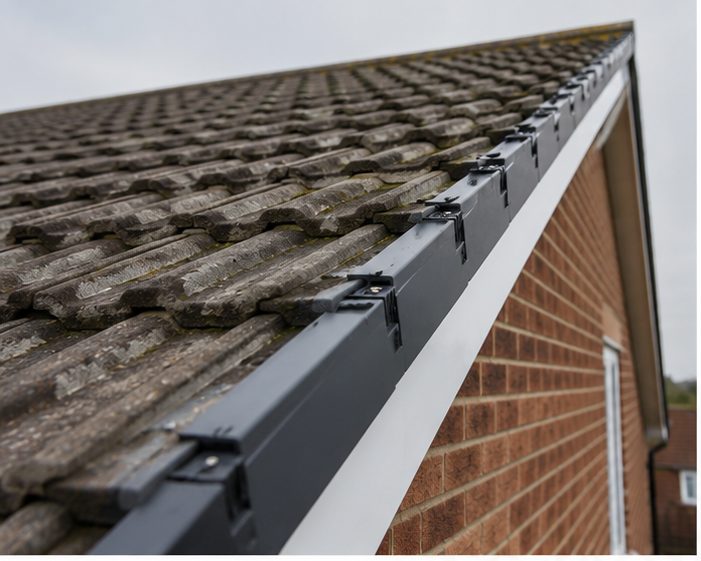
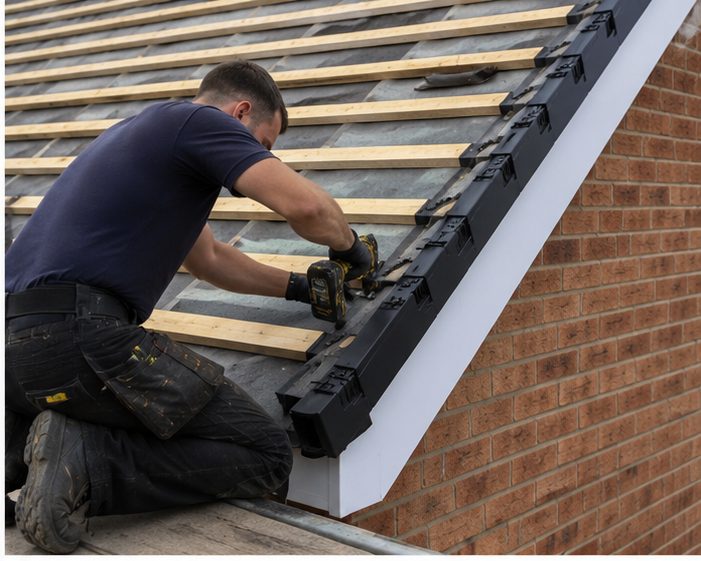
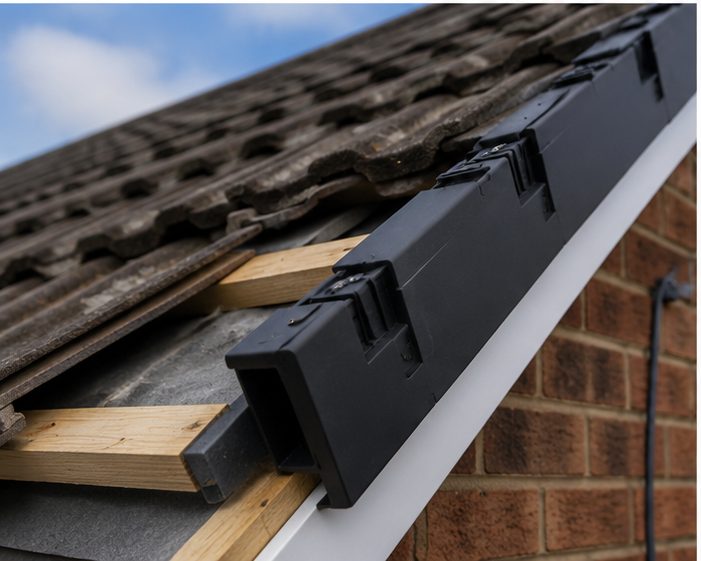
A dry verge system replaces that mortar with mechanically fixed verge units and matching tile-end or cap pieces. No wet mortar means nothing to fail, a firmer edge in wind, and a roof edge that stays closed to weather, birds and insects. Used on the right roof, it is a modest job with a lasting result at the edge.

Dry Verge Systems in Hillfields by Brunel Roofing BristolDry Verge Systems in Hillfields by Brunel Roofing BristolDry Verge Systems in Hillfields by Brunel Roofing BristolDry Verge Systems in Hillfields by Brunel Roofing Bristol

Talk to our team about dry verge systems in Hillfields.

Dry Verge on the Gables of Hillfields

Hillfields has many gabled inter-war and post-war semis, and the gable edge is the first part of the roof the wind meets. On a hill, that exposure is plain, and mortar that has dried and cracked is quickly loosened by gusts. That exposure is the main reason many owners here choose a fixed system over simply bedding fresh mortar again.

The usual first sign is mortar on the ground. Pieces land on the drive, the path or the garage roof beside the house, and many owners notice that before they ever look up. Do not climb up to check it. Tell us what you have seen. Falling pieces can land on a car, a path or a flat garage roof, which is how most people spot the problem.

Terraces have two end gables, which are the only verges on the block, and these carry all the exposure. Whether dry verge fits depends on the tile profile, which we check on site, and it works best on a roof that is otherwise in good order. If it does not suit your tiles or your roof, we say so and suggest a better route.

Dry Verge Jobs We Do Around Hillfields

  • Mortar verge replacement. Removing failed wet mortar along gable edges and fixing new dry verge units in its place, to the tile maker's guidance.
  • Dry verge with a re-roof. Building a dry verge into a new roof from the start, so the edge needs no mortar repairs later.
  • End-of-terrace gables. Treating the exposed end gables of a short terrace, where mortar fails first and falling pieces reach paths below.
  • Garage gable verges. Fitting dry verge to the gables of attached garages, which are often forgotten until mortar starts landing on a car.
  • Cap and tile-end pieces. Fitting the matching tile-end and cap pieces so the verge looks finished, with no mortar line to crack.
  • Profile compatibility checks. Looking at your tile type and gable build to confirm a dry verge will fit, before you commit to the work.

How We Fit a Dry Verge in Hillfields

We first look from the ground at the verge, the tile edge and anything that has dropped. We note the tile profile and whether the roof is sound elsewhere, because a dry verge cannot cure a roof failing at the ridge or flashings. That check saves wasted effort, and it avoids unwelcome surprises once the old edge has been taken off. We keep a record of it.

If it suits, we remove the old mortar, clear the edge and fix the new units as the maker advises. We explain the work before it starts and leave your drive and paths clean of the old mortar when we go. Everything is explained before work starts. Photographs help us show you what we see.


FAQs

Dry Verge Systems in Hillfields — Frequently Asked Questions

What does a dry verge look like once fitted?

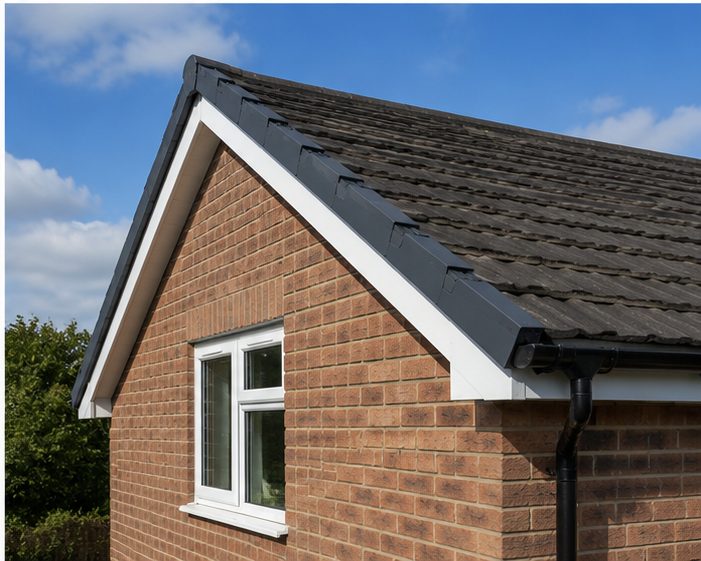
From the ground it looks like a neat, continuous line of cap pieces along the gable edge, with no mortar joint. It is a tidier finish than old cracked mortar and does not weather away. Honest advice comes first.

My verge mortar keeps falling on the drive. What does that mean?

It means the mortar has cracked and loosened, and the tiles at the edge are probably no longer well held. Keep clear of the area and call us. We will look at it and explain the options.

Does dry verge suit every roof tile?

Not every one. Compatibility depends on the tile profile, which we check on site before you commit. We will say so if your roof is not a good match, rather than force a fitting. Honest advice comes first.

Is dry verge worthwhile on a hill?

Where wind catches the gable edge, mechanical fixing is a real benefit. Units held by fixings rather than mortar resist lifting better, and the edge stays closed to weather and birds. Honest advice comes first. We explain it plainly on site.

Will it stop other leaks on my roof?

No. It deals with the gable edge only. If water is getting in at the ridge, a flashing or tiles elsewhere, those need separate repairs, and we will tell you where the real problem lies. Honest advice comes first.

Free Resource

Dry Verge Systems Advice for Hillfields

Practical guides for homeowners in Hillfields and across Bristol.

Browse the Full Advice Centre →
More in Hillfields

Other Roofing Services in Hillfields

🚨 24-Hour Emergency Call-Out

Emergency Roofing Repairs, Any Time of Day or Night

Storm damage, sudden leaks or a roof that's come apart in bad weather? Our emergency roofing team is on call 24 hours a day across Bristol — and every job we carry out, emergency or planned, is backed by our 15-year guarantee.

Get In Touch

Request Your Free Quote

Tell us what's happening with your roof and we'll get back to you — usually the same day.

Prefer to talk? Call 07864 593 568, 01179 110 458 or freephone 0800 4748 321.

📞