Dry verges on Montpelier's gables and terraces
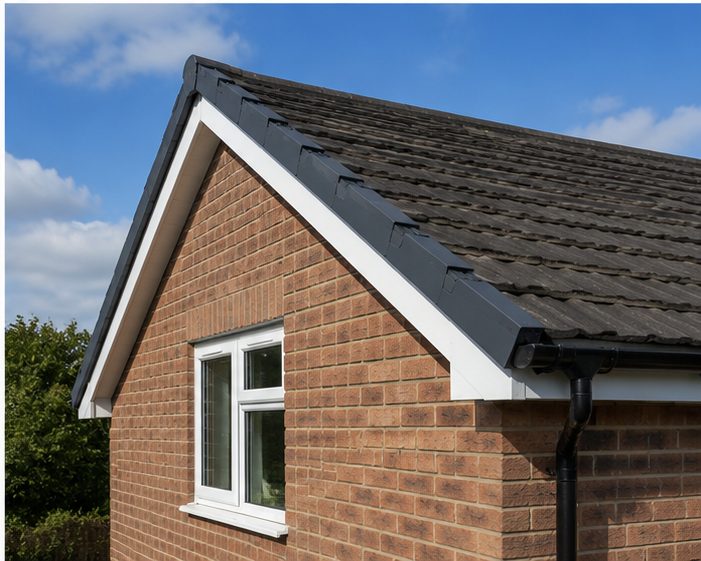
Terraced streets here mostly shed their rain to the front and back, but the end-of-terrace houses and the villas have gable edges that stand fully exposed. Those are the verges that take the wind, and the ones where we most often see mortar dropping onto the path below. Wind finds those edges first, so they deserve a fixing that holds.
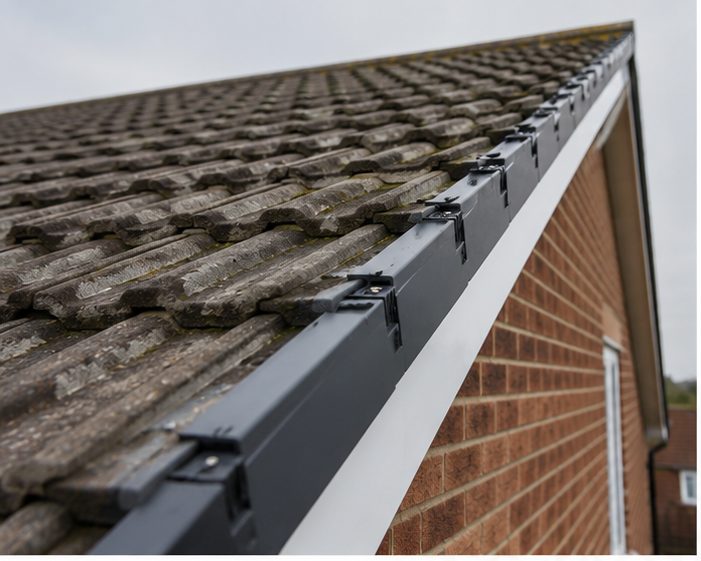
That falling mortar is a typical first sign, and in tight streets it lands on pavements and shared steps rather than a private drive. Fixing the edge properly stops loose pieces working further down and lets weather and birds into the roof edge. A dry system stops that for good where the roof allows it.
A dry verge only suits some roofs, because the units must match the tile profile. Many older Montpelier roofs are slate, which is handled differently, so we check the covering on site and tell you honestly whether a dry system is the right choice or whether another repair suits better. We would rather say so than fit something that does not belong.
Dry verge jobs we carry out in Montpelier
- Replacing failed verge mortar. Cracked and fallen mortar removed along the gable edge and replaced with fixed verge units that need no wet bedding.
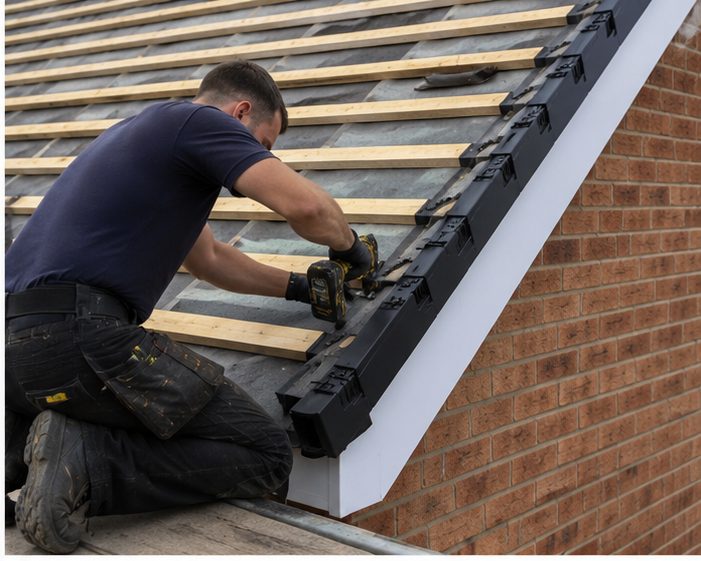
- Dry verge on a full re-roof. Fitting a mechanically fixed verge as part of a new roof covering, so the edge is built to last from the start.
- Verge repairs after storms. Putting right a gable edge where wind has lifted or loosened units, and checking the tiles inside the verge for movement.
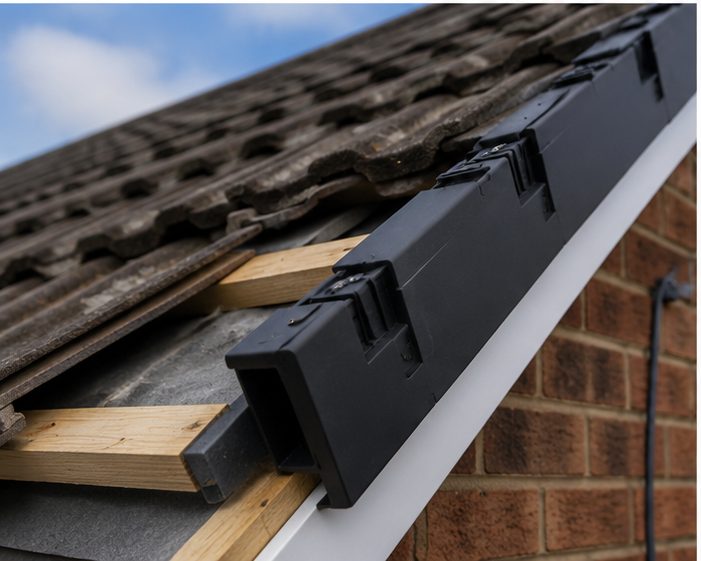
- Tile-end and cap pieces. Supplying and fixing the matching end pieces so the edge looks tidy and is sealed against weather, birds and insects.
- Compatibility checks on site. Looking at your tile profile and the make of the roof to confirm that a dry system will sit correctly before anything is ordered.
- Verge and bargeboard together. Combining verge work with bargeboard repairs at the gable, so the whole roof edge is dealt with in one visit.
How we work on verges in Montpelier
We start from the ground with a look at the gable edge and any mortar that has landed on paths or steps. Then we inspect the verge up close from a safe set-up, check how the tiles sit and confirm which dry system fits that profile. You see what we see before any decision is made.
We follow the tile maker's fixing guidance, and we are frank that a dry verge will not cure a roof that is failing elsewhere. If the slopes behind the edge have problems, we explain those first and let you choose the order of work. That way the money goes where it helps most.