Repairs on Patchway estate roofs
The semis laid out along Patchway's wide estate roads usually have four sloping faces and hips at each corner. Hip tiles are bedded in mortar, and when that bedding cracks the tiles shift, which lets rain run in under the covering at the corner of the house. That is why the corners are the first place we look.
Post-war roofs on these estates were often laid with simpler fixings than we would use now, so a single storm can lift a few tiles without anyone noticing from the road. Patchway's open estate layout also means wind has a clear run at roof edges and ridges. Loose tiles often show up only after the next gust.
The newer developments in Patchway have their own pattern of faults, mostly around lead flashings, valleys and where roof slopes meet walls. Those are small areas, but they are where a modern roof tends to leak first, and a neat repair there often settles the problem. It is routine, careful work rather than anything dramatic.
Roof repair jobs we handle in Patchway
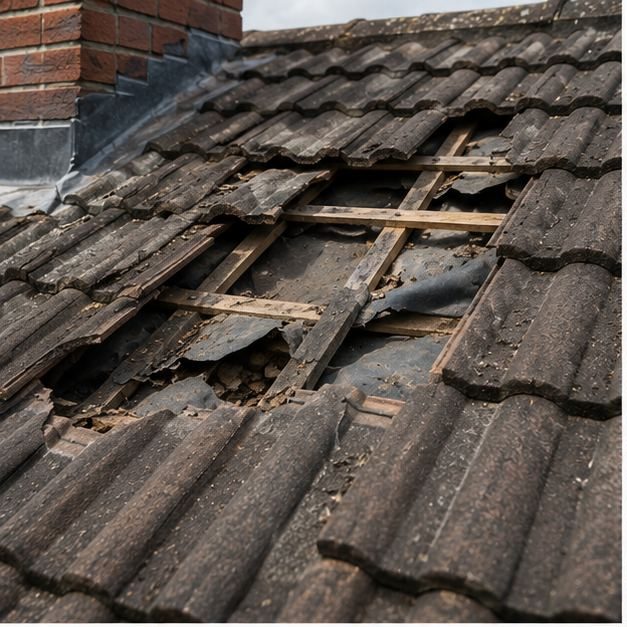
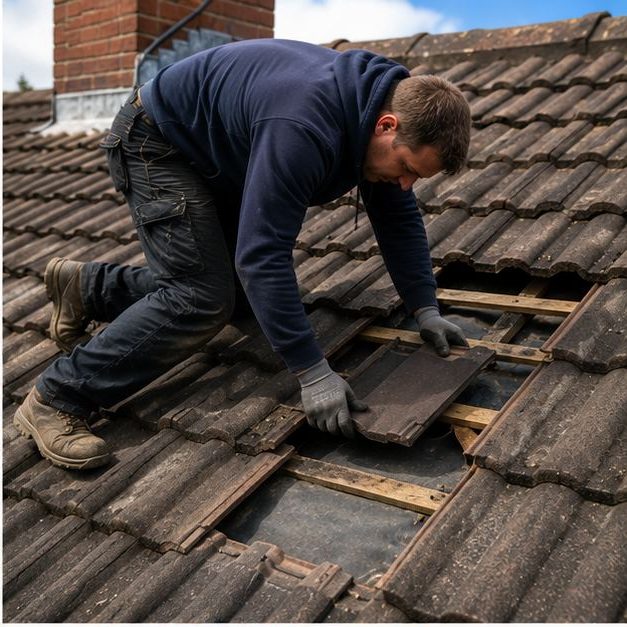
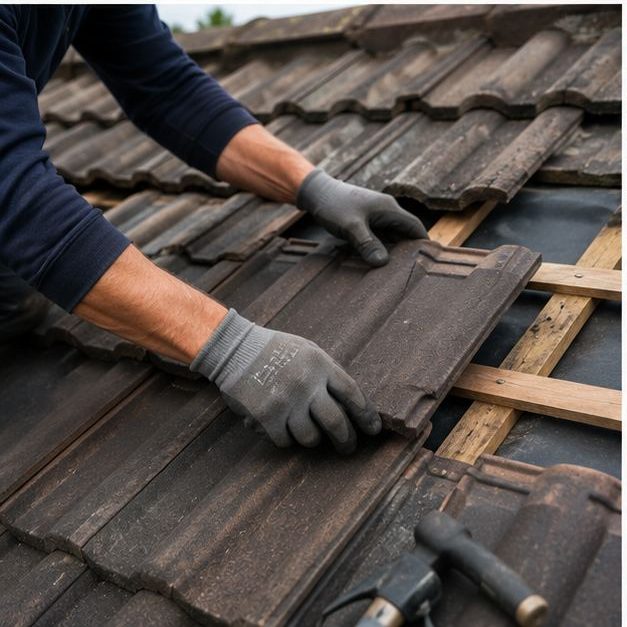
- Slipped and cracked tiles. Individual tiles that have slid out of line or cracked are replaced and the surrounding courses checked, so the repair does not leave a weak spot beside it.
- Hip and ridge re-bedding. Loose hip and ridge tiles on hipped roofs are lifted, re-bedded and pointed so the corners of the roof shed water properly again.
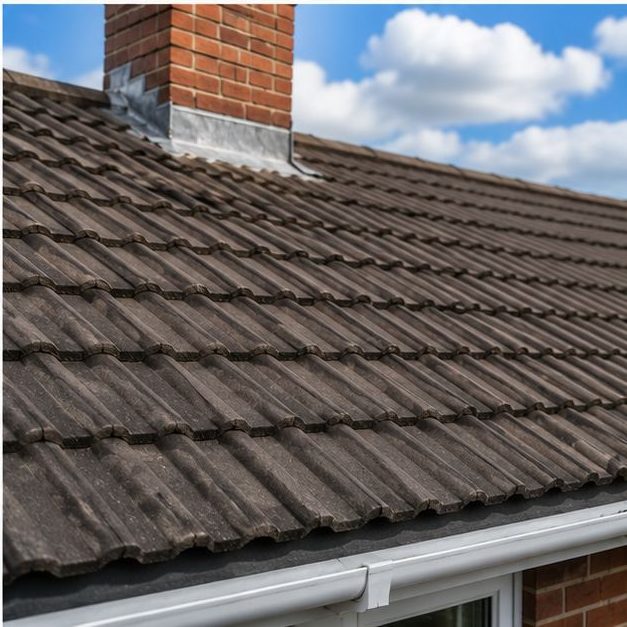
- Lead flashing and valley repairs. Failed or lifting lead around chimneys, walls and valleys is repaired or renewed, which is where many leaks on newer estate roofs start.
- Verge and edge repairs. Roof edges at gables and eaves that have loosened in wind are secured and made good so wet and wind cannot get underneath.
- Storm damage repairs. After a blow, we look over displaced tiles and slates, make the roof sound again and tell you plainly if anything else needs attention.
- Leak tracing. We follow a ceiling stain back along the timbers and felt to the real source, rather than patching the spot above the damp patch.
How we approach roof repairs in Patchway
On a typical Patchway semi we start from the ground and the loft. We look at the roof lines from the road, then check the underside of the roof space for damp timber, daylight and wet insulation, because those tell us where the water is travelling. That order saves guesswork.
Then we go up, find the actual fault and explain it to you before we start. If a repair will hold, we say so. If the covering is worn out across the whole slope, we tell you that too, and let you decide with the facts in front of you. Nothing is done until you understand it.