Dry verge work on Patchway semis and estates
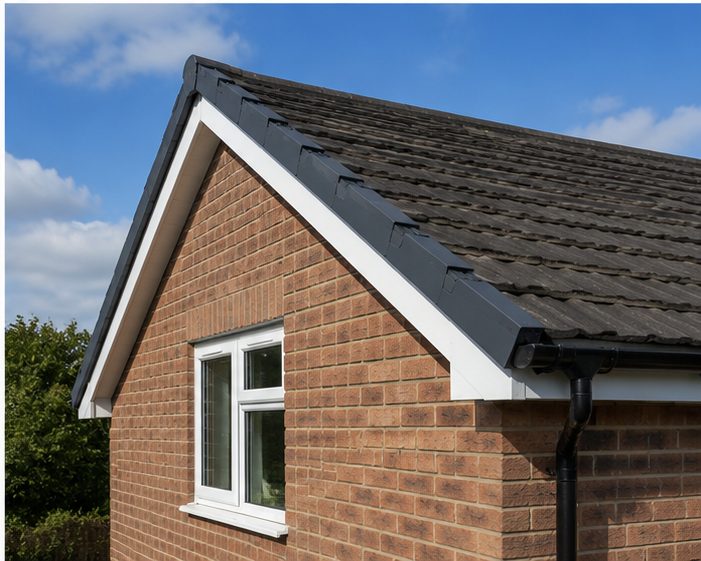
Patchway's inter-war and post-war semis are a mix of hipped roofs and gable ends, and it is the gable ends that carry verges. Where a house has one, you will often see the first sign on the ground: little lumps of mortar on the path, drive or flower bed below. If you spot that, the verge deserves a proper look soon.
The wide estate roads and open aspect of much of Patchway let wind reach roof edges with very little to slow it down. A verge that has lost its mortar can let in rain, birds and insects, and a loose edge is at risk in a strong gust. Left alone, small gaps tend to widen with each wet winter.
The newer developments suit dry verge too, as it is often specified on new roofs. Whether a particular tile will take a dry verge depends on its profile, so on every Patchway roof we check compatibility on site before we promise anything. Where the tiles are not compatible, we explain the alternatives honestly.
Dry verge jobs we do in Patchway
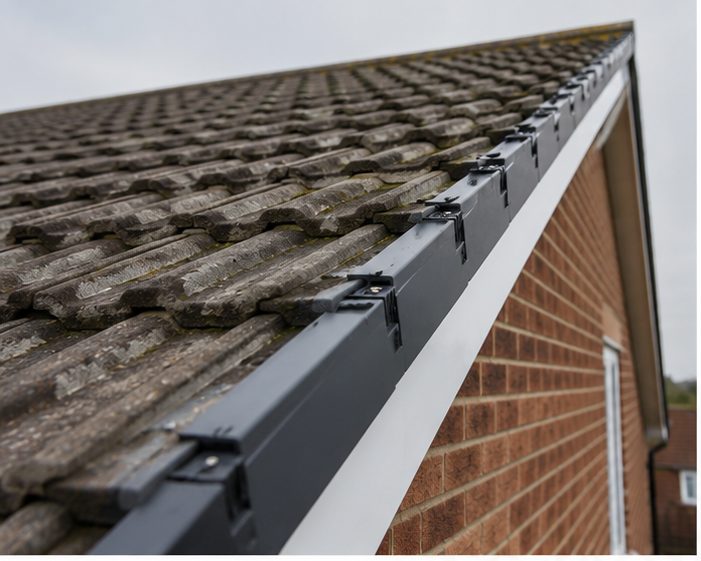
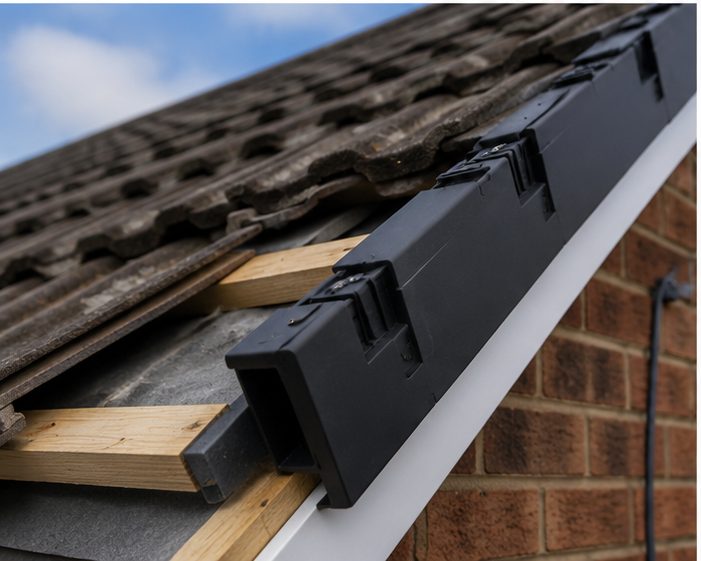
- Mortar verge replacement. Old, cracked or fallen verge mortar is stripped back and replaced with mechanically fixed dry verge units along the whole gable edge.
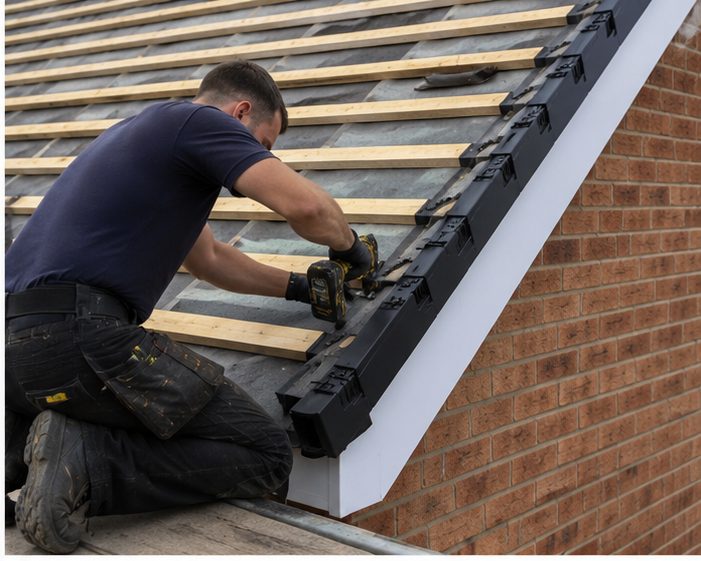
- Dry verge on a new roof. When a roof is being laid, the verge is fitted dry from the start, which gives a neat, secure edge with no wet work to wait for.
- Dry verge during a re-roof. On a full re-roof the verge is rebuilt dry to the tile maker's guidance, so the new covering has a firm and weather-tight edge.
- Tile-end and cap pieces. Matching end and cap pieces finish each course at the edge, so the verge looks tidy and the tile ends are protected from the weather.
- Repair after mortar failure. If mortar has failed but the roof is otherwise sound, we repair the verge alone and leave the rest of the covering as it is.
- Checking the rest of the roof. While at the verge we look along the edge and the nearby hips and ridge, in case the mortar failure is one sign of a wider problem.
How we fit a dry verge in Patchway
We start from the ground by looking at the gable edge and what has fallen off. Then we check the tile profile, because dry verge units suit some tiles and not others, and we confirm whether the system will fit before anything is ordered. That check on site saves disappointment later.
Fixing follows the tile maker's guidance. We also say plainly that a dry verge deals with the edge only; if the roof is failing elsewhere, it will not fix that, and we will tell you what else needs attention and what can wait. You get the full picture before any work begins.