A roofer who knows Barton Hill properties
Barton Hill mixes Victorian terraces with later council-built blocks and houses, and the two need different handling. Slate and old tile, lead flashings and chimney stacks on one side, plain tiles and mortar-bedded ridges on the other. That mix means one house on a street can need quite different treatment from the next, so we never assume.
There are also many flat-roofed extensions and outbuildings here. Having a team that works on pitched and flat roofs together is useful, because the joint where one meets the other is often where a leak begins. Having one team means the roofer who looked at the flat roof also looks at the chimney and the gutters.
Access in an area of dense terraces and shared yards takes thought. We plan how to reach the roof, where materials will go and how to protect the ground, and we explain the arrangement before we start. We often find the answer lies in a small, ordinary fault, not an alarming one.
What we cover as your Barton Hill roofer
- Roof repairs. Slipped tiles, broken slates, loose ridges and failed flashings are traced and repaired before they grow into larger problems.
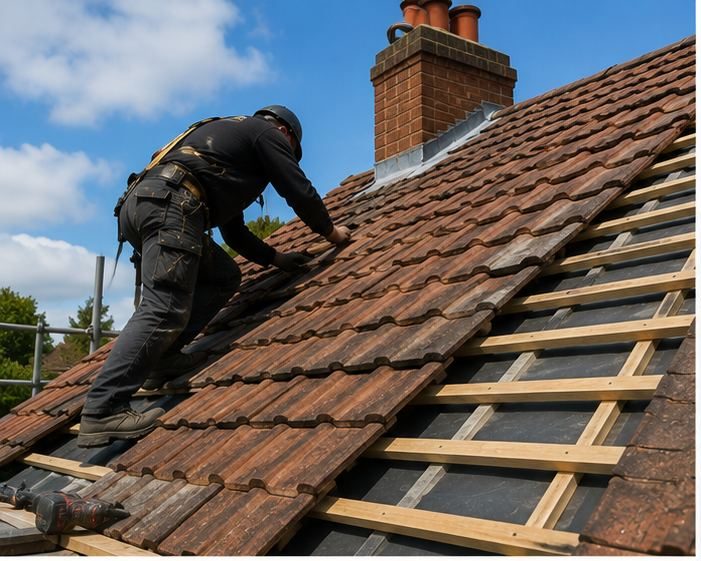
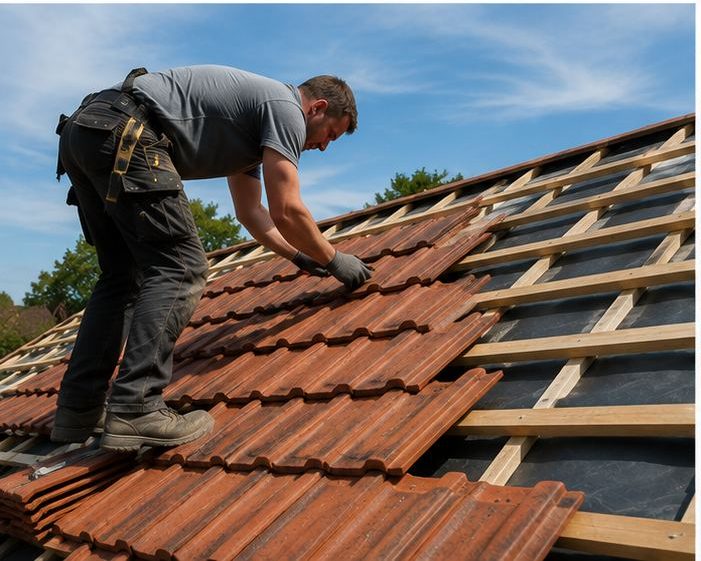
- Re-roofing. When a roof is worn out across its slopes, we strip it, repair the timbers and fit a new covering, explaining the choices as we go.
- Flat roofs and outbuildings. Extensions, garages and sheds are repaired or recovered in suitable systems, with the deck and falls checked first.
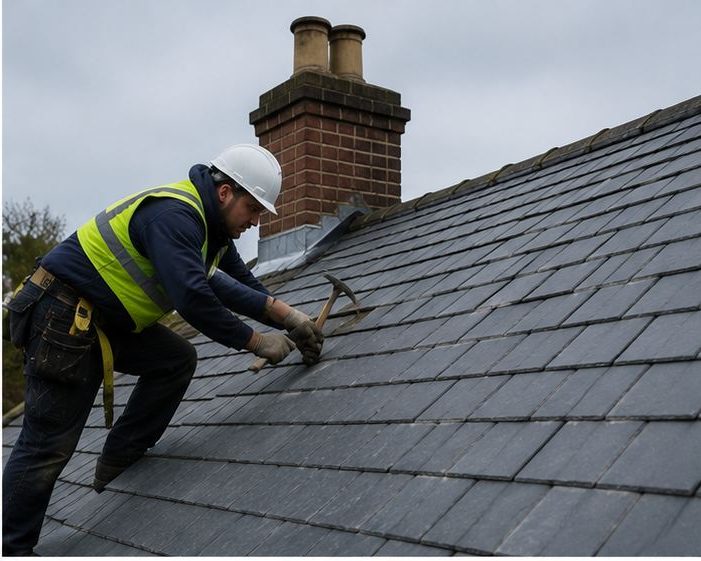
- Chimneys and lead work. Chimney flashings, valleys and abutments along party walls are repaired or renewed, since these joints often leak on older terraces.
- Dry verge and ridge work. Failing mortar at gables and ridges is replaced with dry verge units or rebedded ridge tiles, whichever suits the roof.
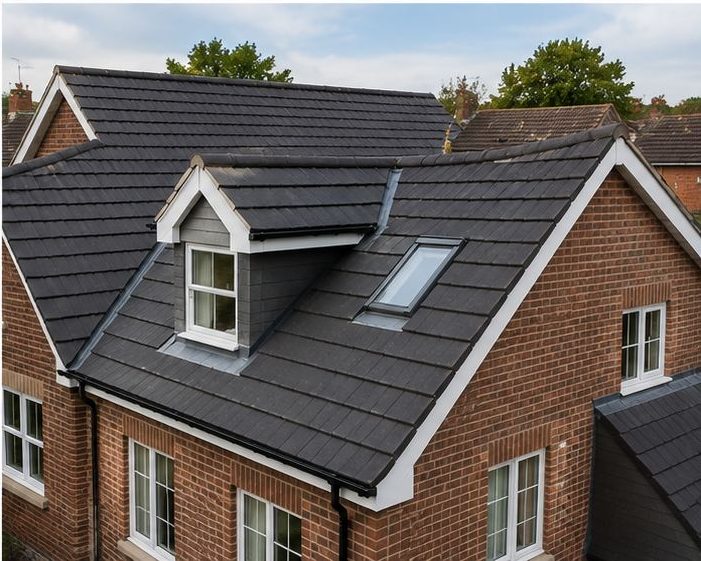
- Gutters, fascias and storm damage. Failing gutters and rotten boards are replaced with UPVC fascias and soffits, and storm damage is secured and repaired.
How a Barton Hill roofing visit works
We start with the roof, the loft and the rainwater system, all properly inspected. Nothing is guessed from the pavement. We note what is failing, what is wearing and what is fine, and put it into plain language. Where the work is large, we explain how it will be staged and how long each stage may affect the household.
Then comes the order of priority. Anything letting water in comes first, wear that can safely wait comes second. If a bigger job such as a re-roof or a dry verge is the right answer, we explain why, and the decision stays with you. You get a clear picture, the reasons behind it, and time to think.