Where dry verge suits Easton roofs
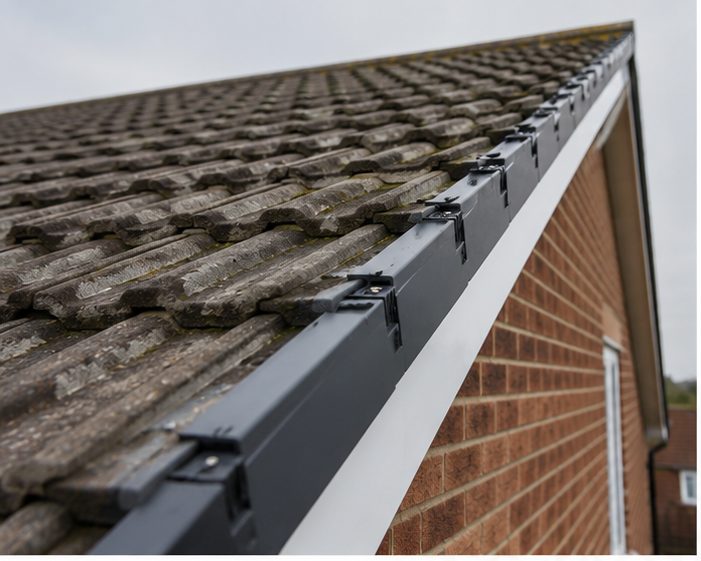
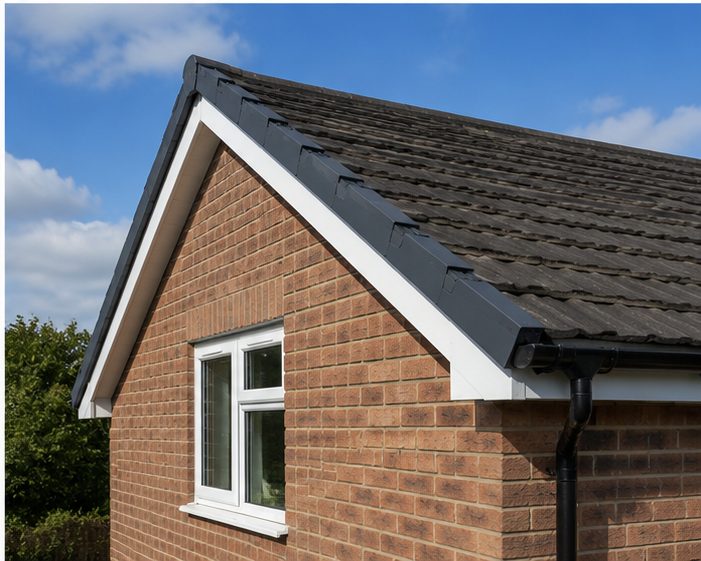
Easton's dense Victorian terraces have gable ends at the end of each row and sometimes at side returns. Those end houses are more exposed than the ones in the middle, which makes a fixed, mortar-free edge a sensible choice when the old bedding has failed. That is why the row ends usually show the problem first.
Many of these roofs are old and have been patched over the decades, so the tile or slate profile can vary. A dry verge system has to suit the covering, so we check on site first and tell you honestly if it will not fit, instead of forcing it. Getting the fit right matters more than fitting something quickly.
Falling mortar on a busy street also matters, because it drops onto a pavement as well as a yard. We deal with it promptly. A dry verge deals with the edge, though, and we say so if flashings, lead or tiles elsewhere on the roof also need work. We would rather list everything that needs doing than leave you with a half-finished roof edge.
Dry verge work we carry out in Easton
- Replacing failed mortar verges. Removing crumbling mortar from existing gable edges and fitting a dry verge system to replace it.
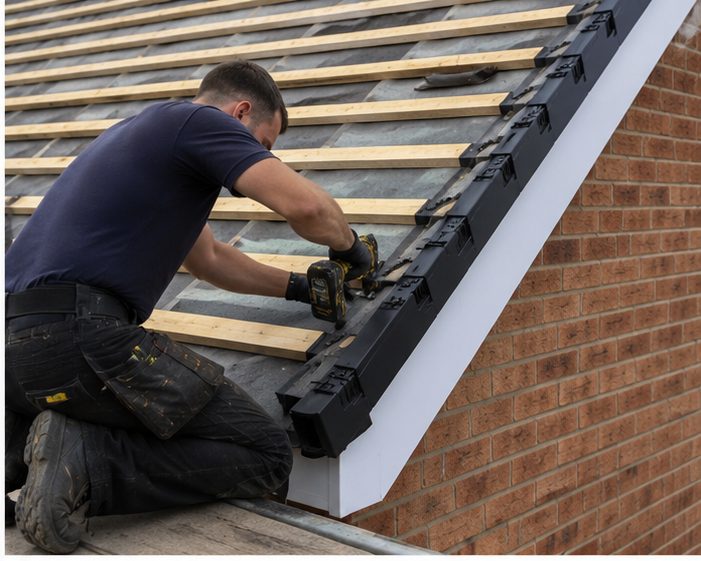
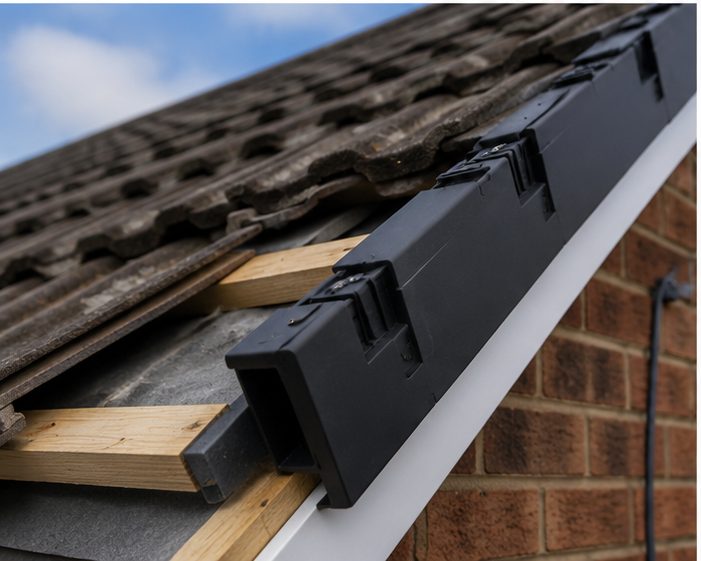
- Dry verge on re-roofs. Fitting fixed verge units as part of a new covering so the gable edge has no wet mortar to fail.
- Row-end gable edges. Dealing with the exposed gable ends at the end of terraces, where the roof edge takes the most wind and weather.
- Tile-end and cap pieces. Supplying and fitting the matching pieces that finish each course neatly at the edge of the roof.
- Verge repairs after wind. Putting right verge units and edge tiles that storms have loosened, and refixing the edge so it holds.
- Compatibility checks on site. Looking at the existing tile profile and edge before we commit, so the system fits the roof it goes on.
How we assess a dry verge in Easton
We start at ground level, looking at where mortar has dropped and how the gable edge looks from below. Then we get up to the roof edge to check the tile profile and condition, since a dry verge needs a sound covering beside it to do its job.
We fix the system to the tile maker's guidance, and explain what is involved before starting. Scaffold on a busy street needs care over pedestrians and parking, so we plan that first. Some work may need planning or Building Regulations checks, and we advise before work starts. We talk you through it as we go.